At its height around 450 CE, Teotihuacan housed an estimated 125,000 people, making it the sixth-largest city in the world — a fact that reframes every stone platform and painted corridor the moment a visitor steps inside the archaeological zone.
Read moreShow less
The civilization that built it remains unnamed in any deciphered written record, and that silence gives the site an atmosphere that no amount of signage fully resolves. Teotihuacan tours enter this ambiguity head-on, placing guests inside a living research site where excavations continue to revise long-held assumptions about governance, trade, and ritual life.
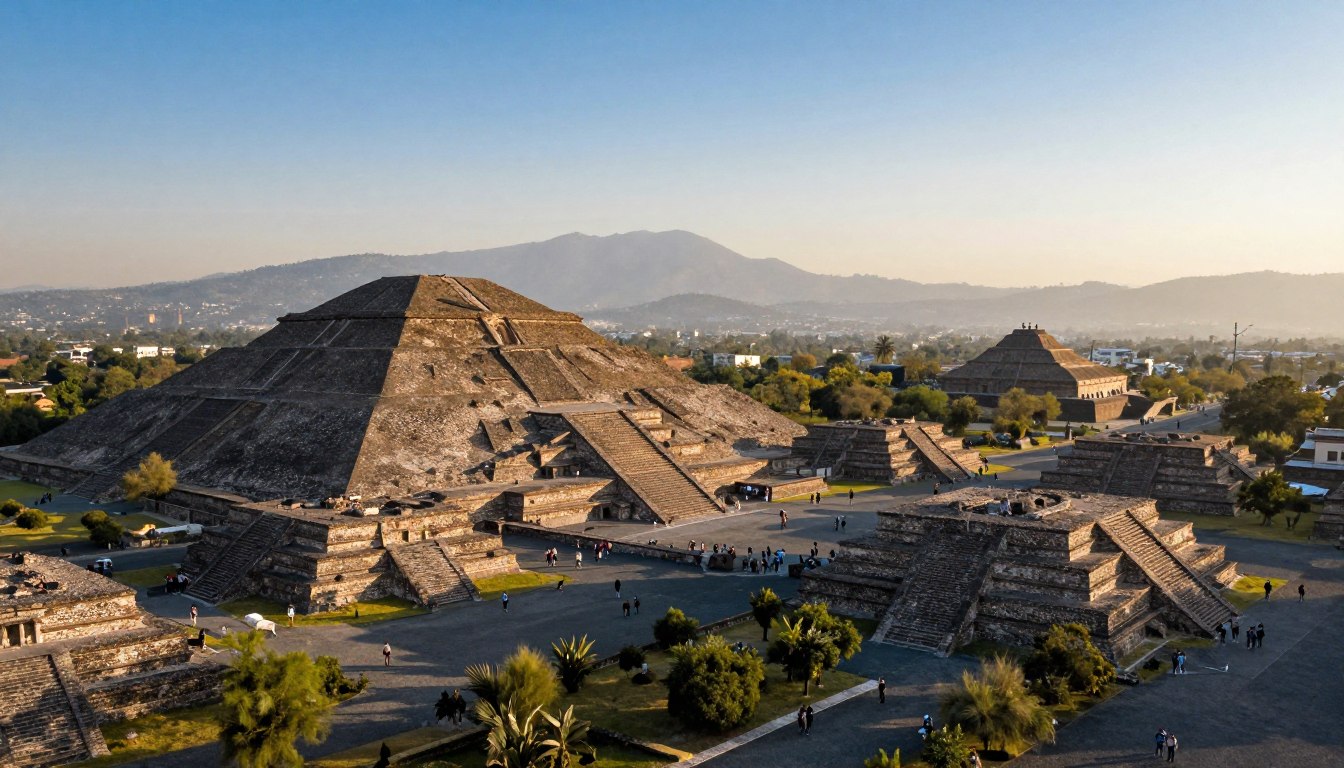
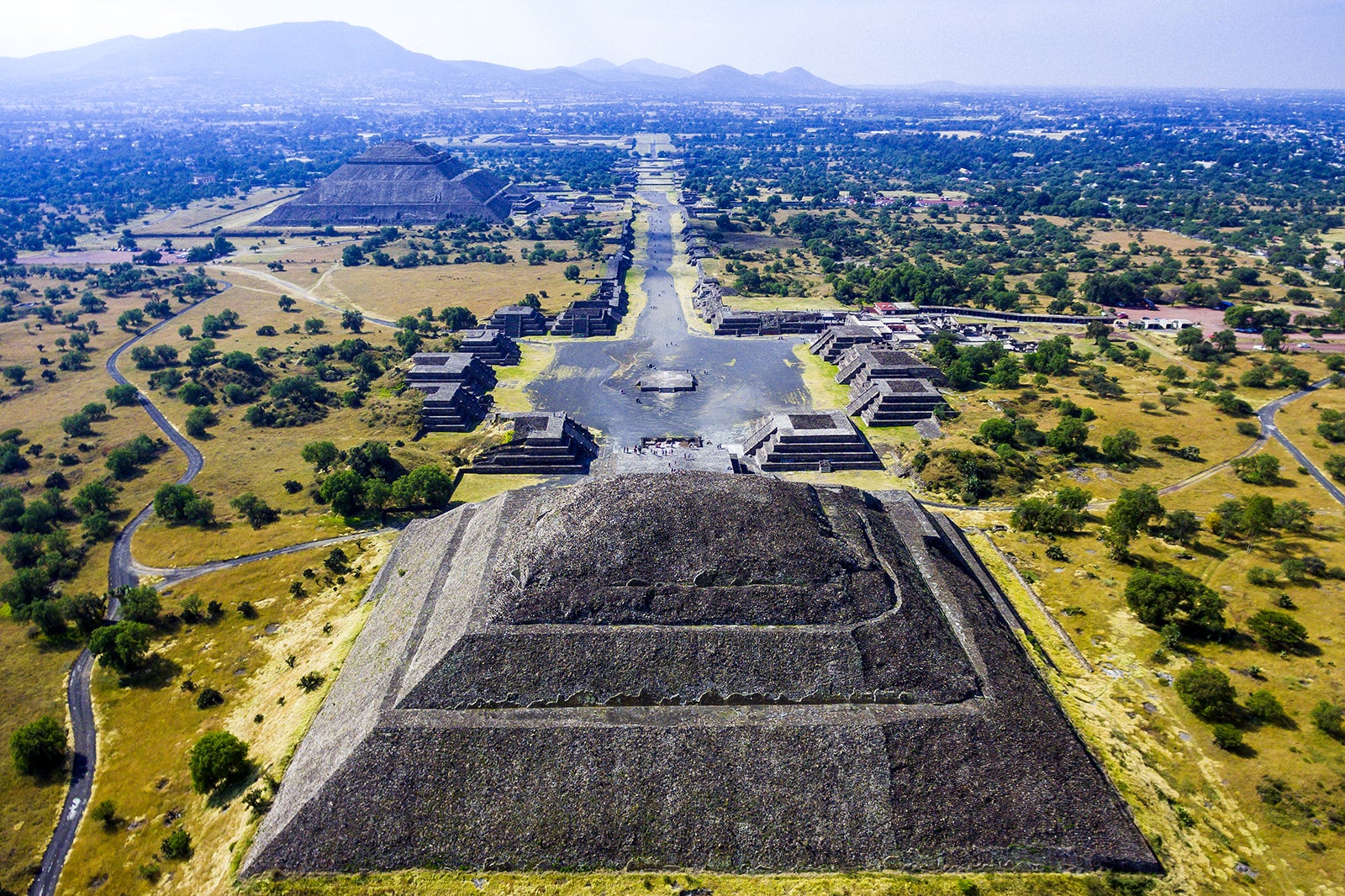
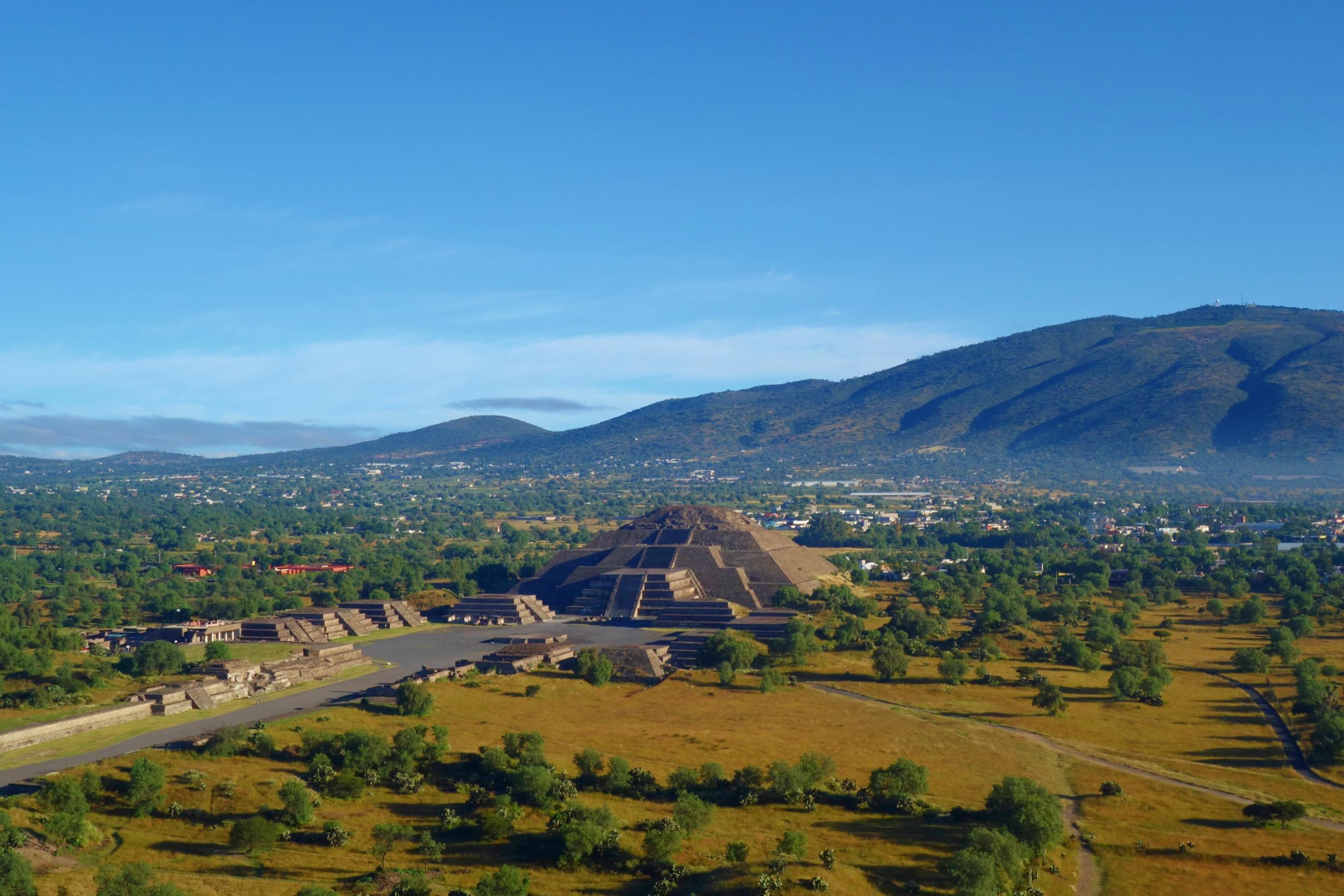
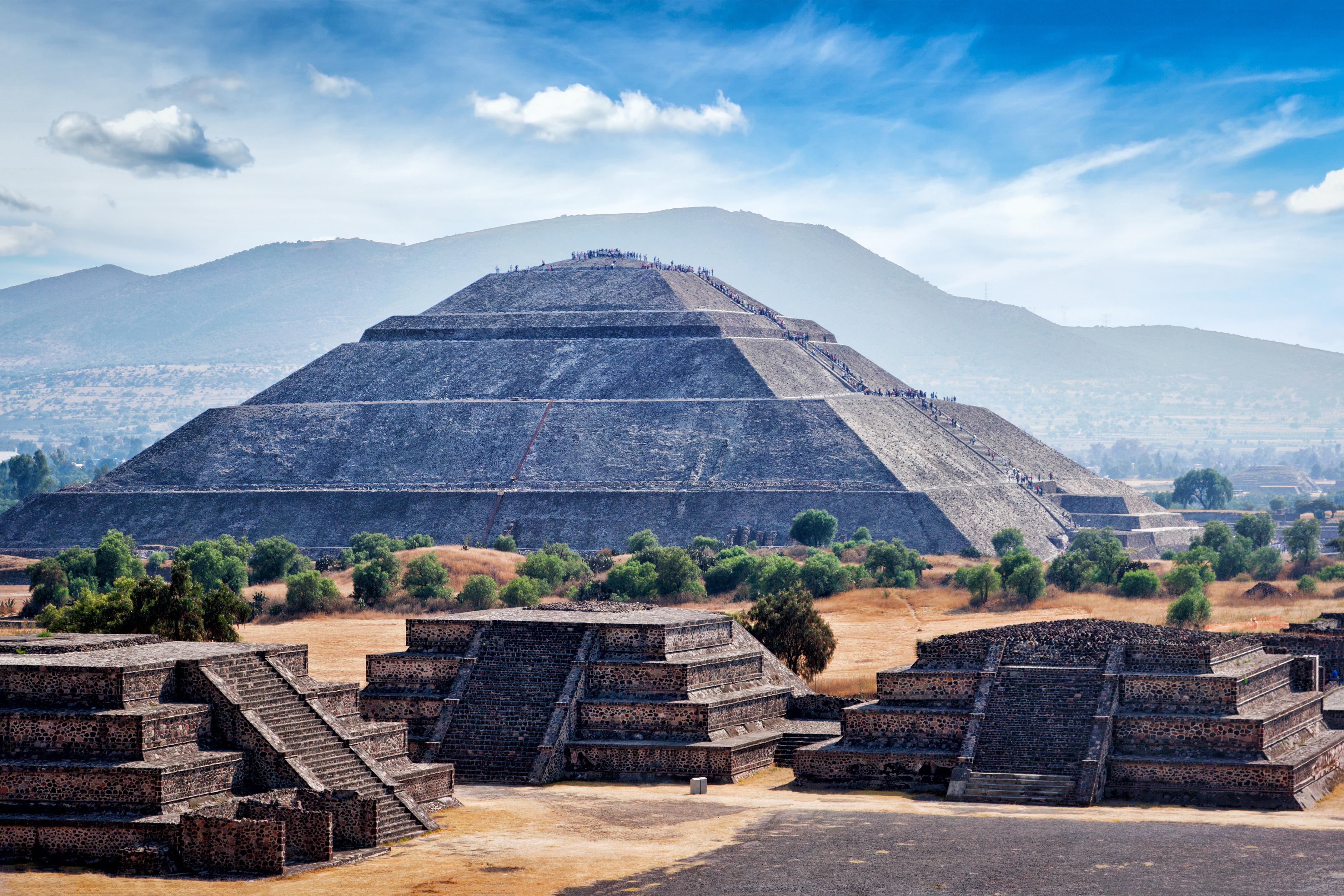
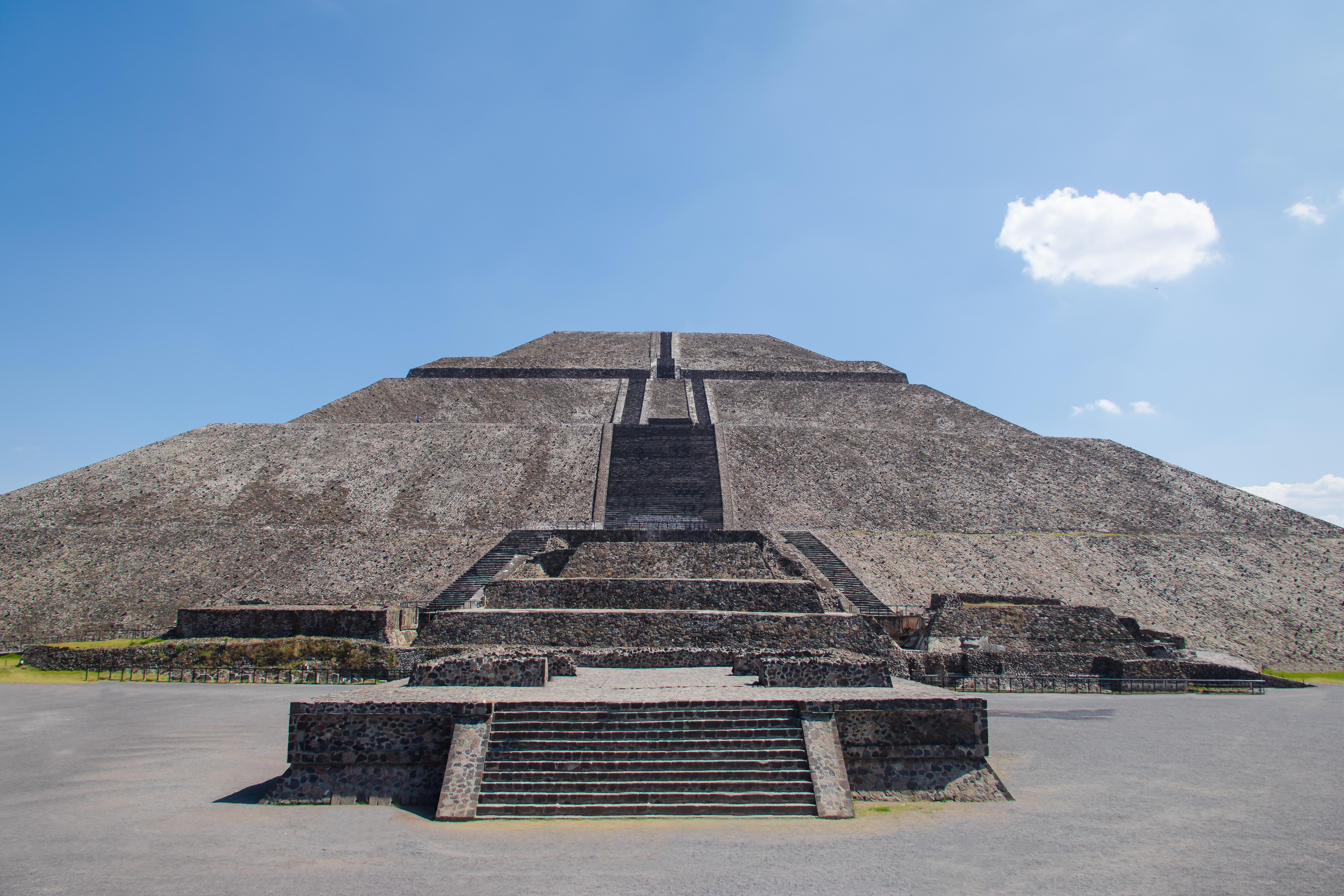
The physical layout of the city is itself the primary text. The Avenue of the Dead, aligned two degrees east of true north to track the setting of the Pleiades, organizes a series of platforms, palaces, and temple bases across four kilometers of volcanic stone. The Pyramid of the Sun sits to the east of this axis, its base perimeter nearly equal to that of the Great Pyramid of Giza. The Pyramid of the Moon anchors the northern terminus and commands the full length of the avenue from its upper platform. The Temple of the Feathered Serpent, inside the Ciudadela compound to the south, displays some of the finest surviving stone carving on the site — serpent heads alternating with goggle-eyed Tlaloc masks along each facade tier. Teotihuacan tours that include the Ciudadela consistently spend the most time here, where recent tunnel excavations beneath the pyramid have uncovered liquid mercury, pyrite mirrors, and wooden sculptures placed with deliberate cosmological intent.
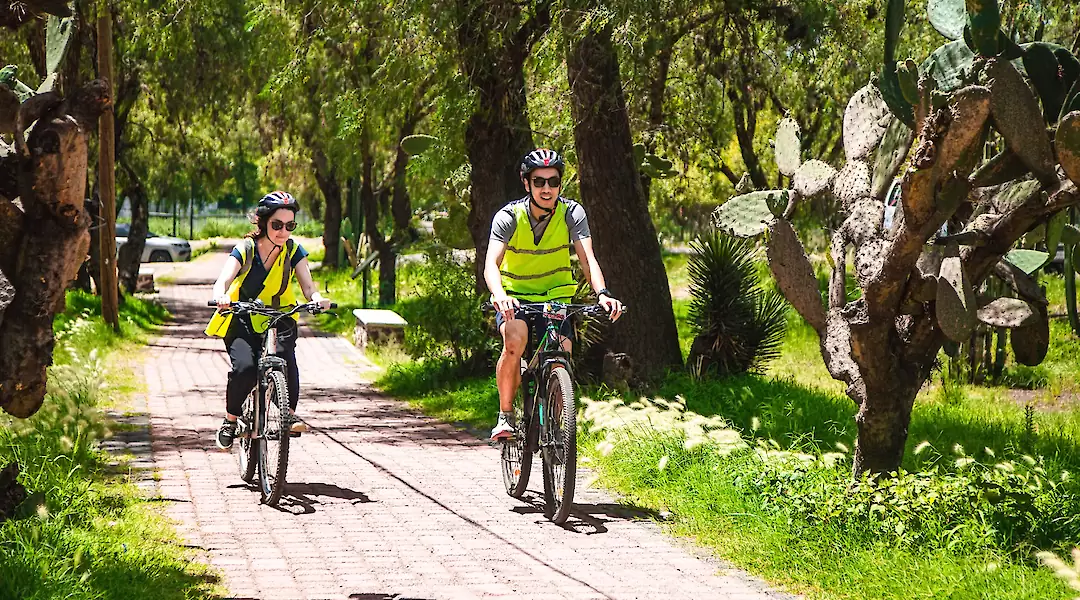
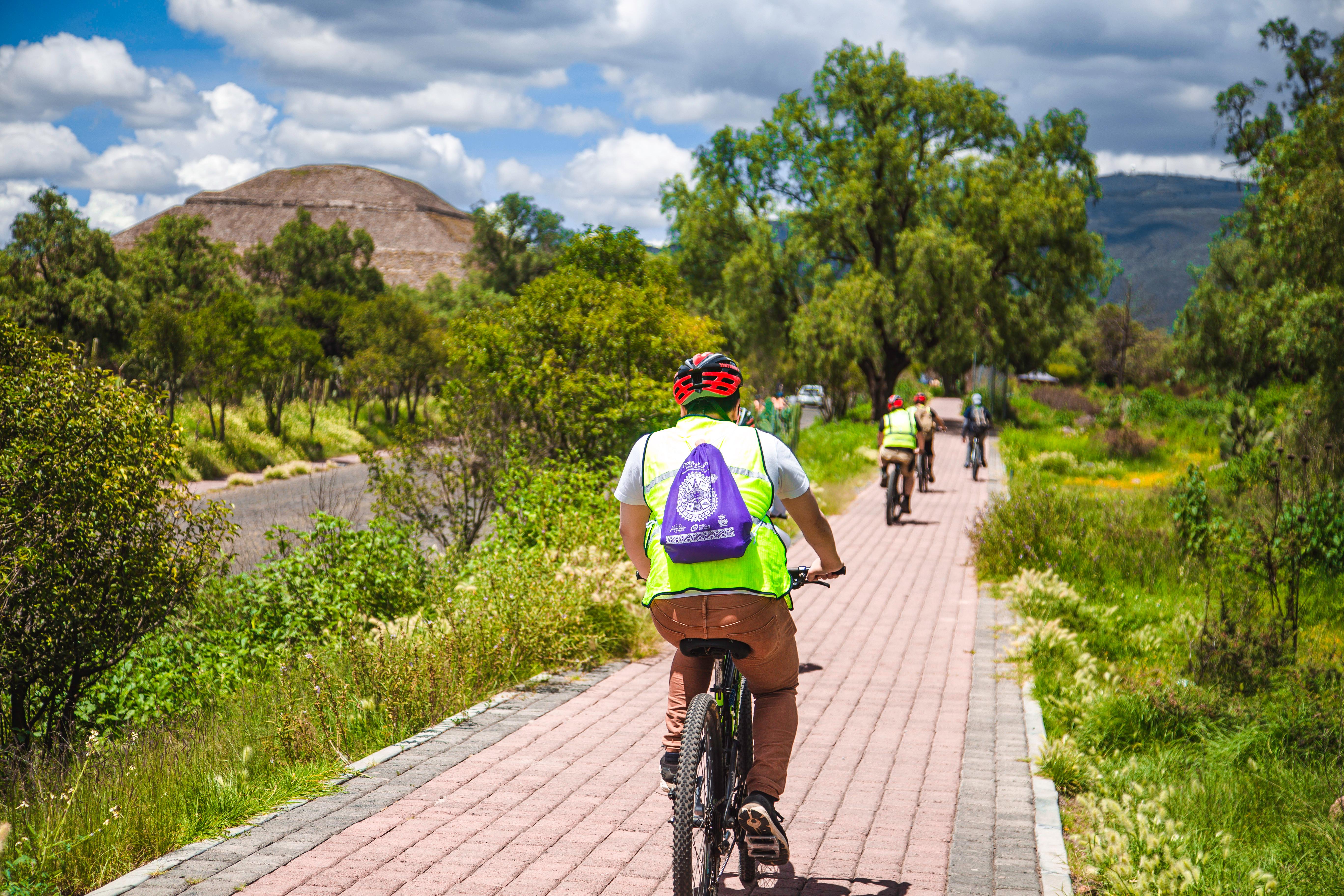
Beyond the major monuments, the residential compounds of Tetitla and Atetelco preserve mural programs in polychrome plaster that depict jaguars, net jaguars, and feathered coyotes with a technical precision rarely found elsewhere in Mesoamerica. A sunrise tour reaches these quieter areas before crowd density makes sustained observation difficult, and private tours can arrange extended access to sections normally closed to general entry. For visitors who want a different physical register, a bike tour along the perimeter road connects outlying structures that most itineraries skip entirely. Those combining the pyramids with a visit to the Basilica of Our Lady of Guadalupe find a natural narrative arc: two sacred landscapes separated by centuries but linked by the same basin geography.
Teotihuacan suits travelers with a tolerance for scale — the site covers 83 square kilometers — and rewards those who arrive with some prior reading on Mesoamerican cosmology. Securing teotihuacan tours tickets in advance is advisable during peak season, when the spring equinox in March draws tens of thousands of visitors to witness the light effects on the Pyramid of the Sun. In the summer months of July and August, afternoon cloud cover moderates the heat, and the site sees fewer visitors than at any other point in the year, making it one of the more practical windows to visit teotihuacan with genuine room to move.
“Teotihuacan does not yield its name, its rulers, or its language — only its geometry, and that geometry is argument enough.”
Pyramid of the Sun
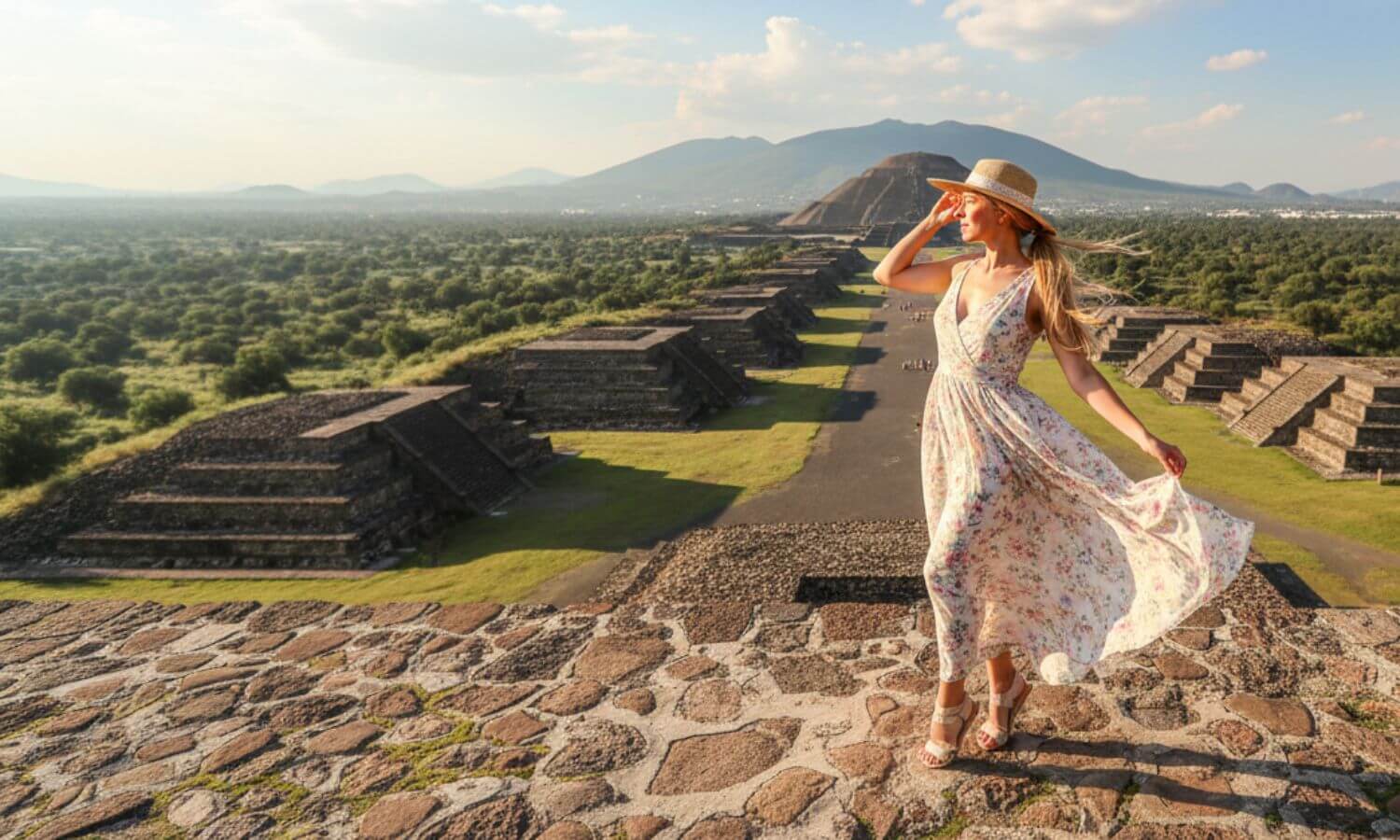
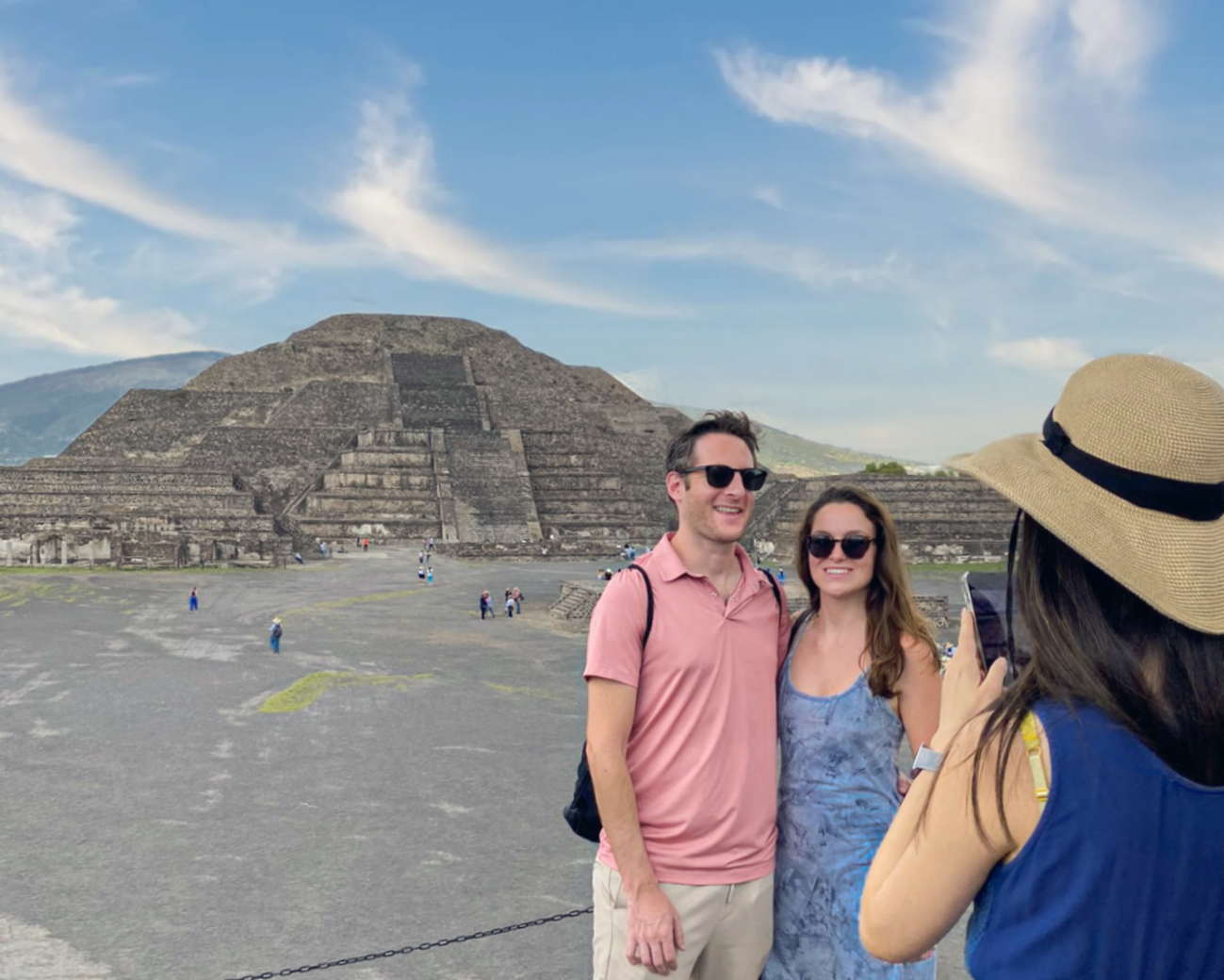
The third-largest pyramid on earth offers unobstructed panoramic views from its five-tiered summit after a direct climb of 248 steps.
Avenue of the Dead
This 4-kilometer ceremonial spine connects the major temple complexes and reveals the city's extraordinary urban planning at a single glance.
Murals of Tetitla & Atetelco
Intact fresco compounds on the site's western edge preserve vivid polychrome imagery of jaguars, feathered serpents, and ritual processions.
Most popular
Top attractions in Teotihuacan
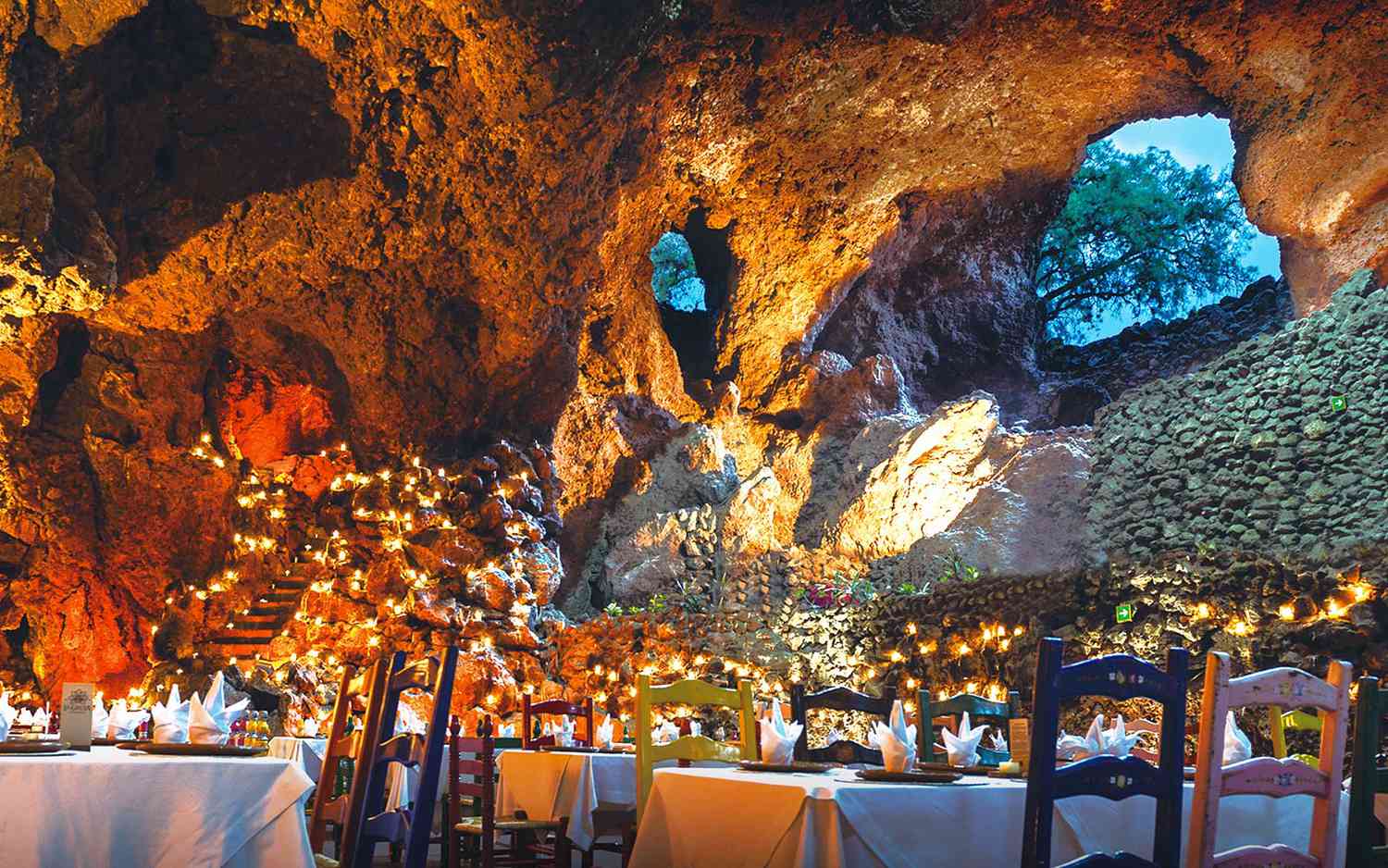
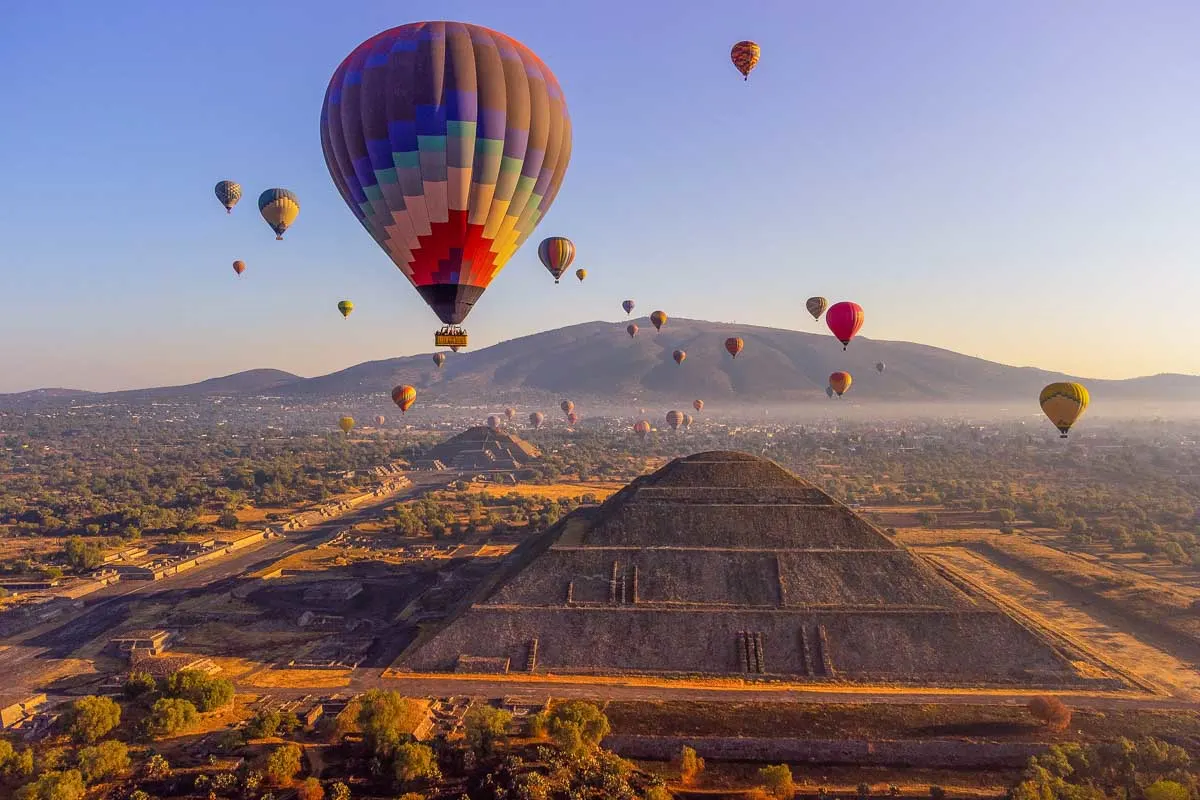
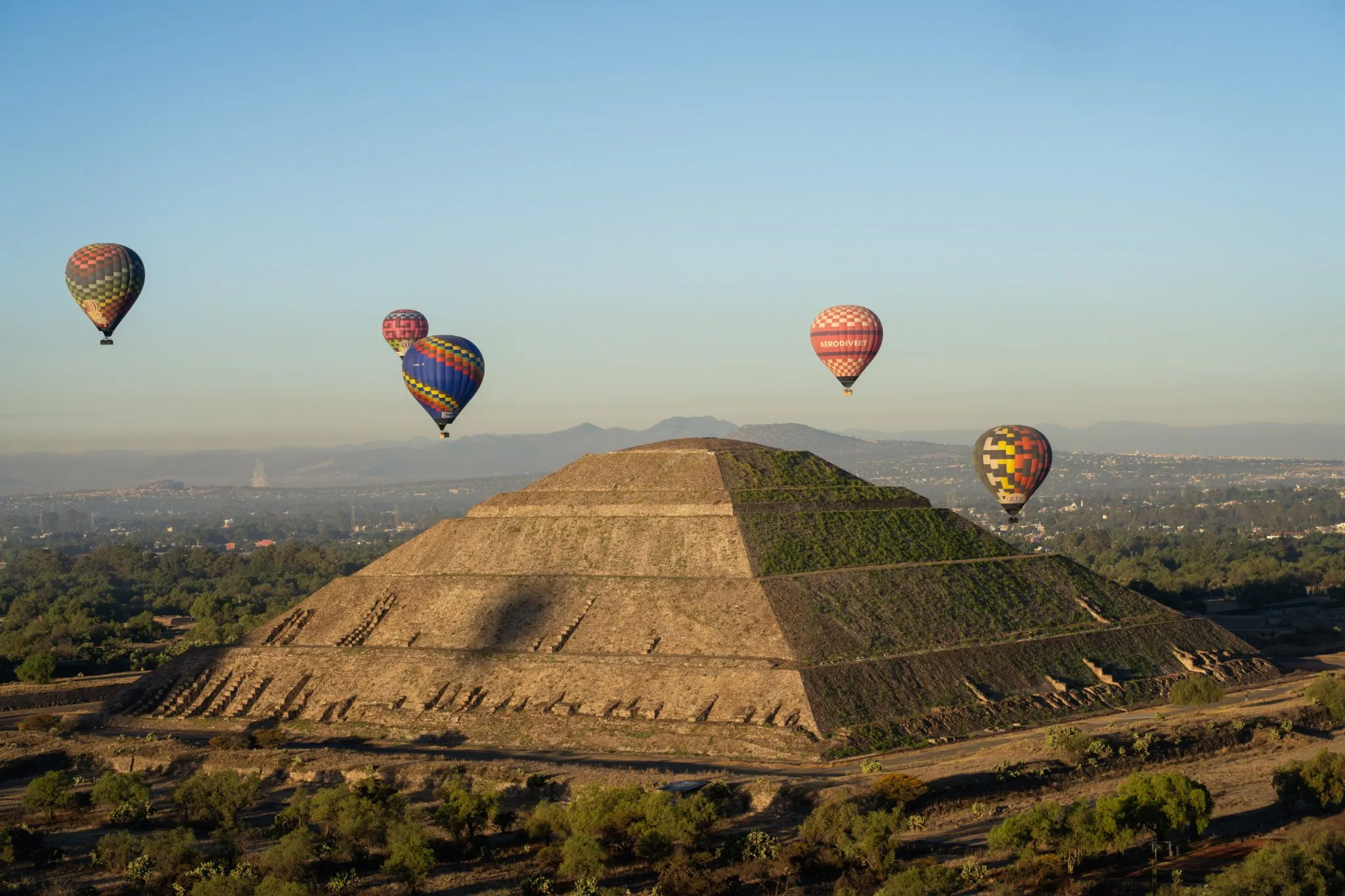
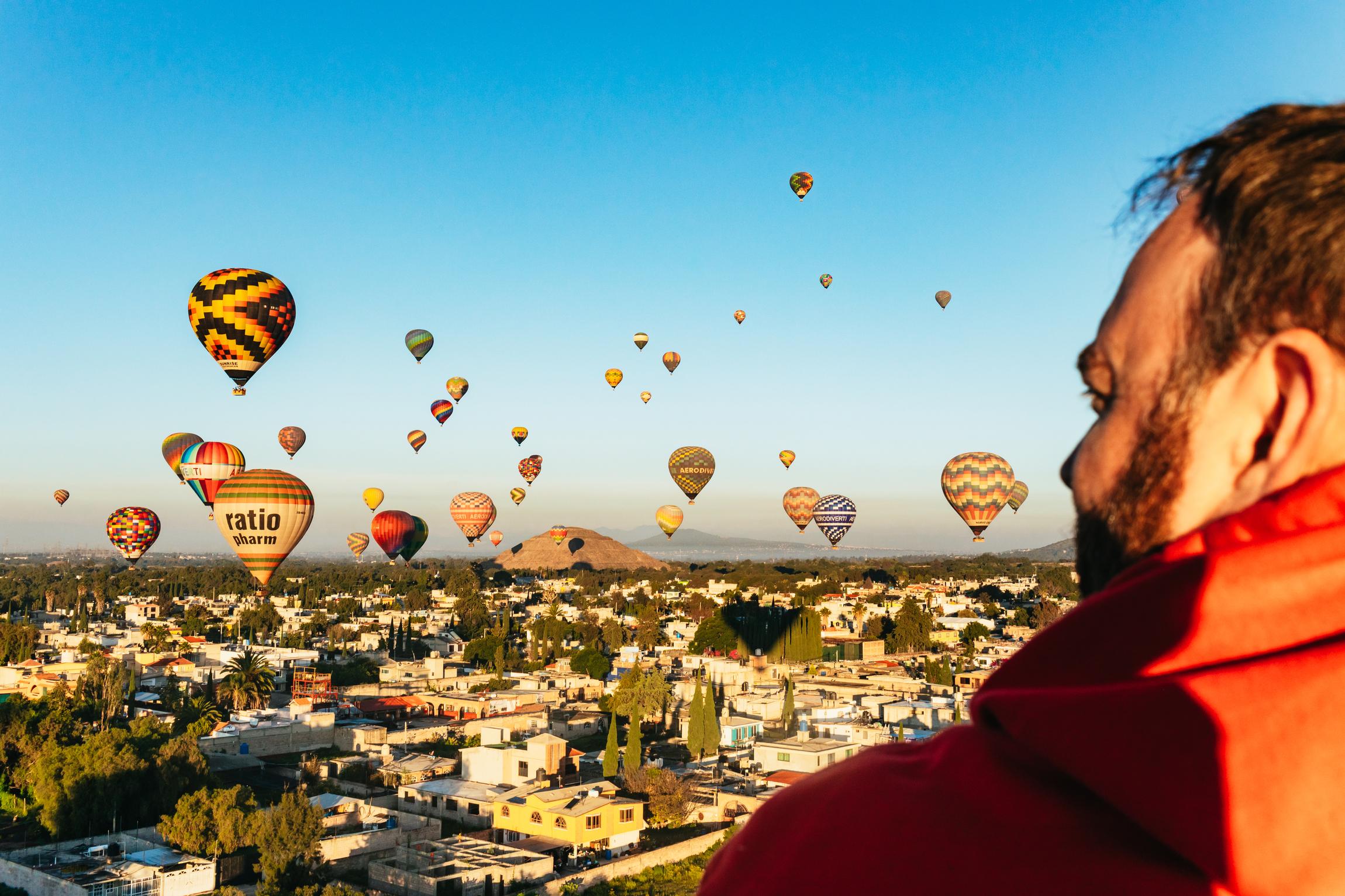
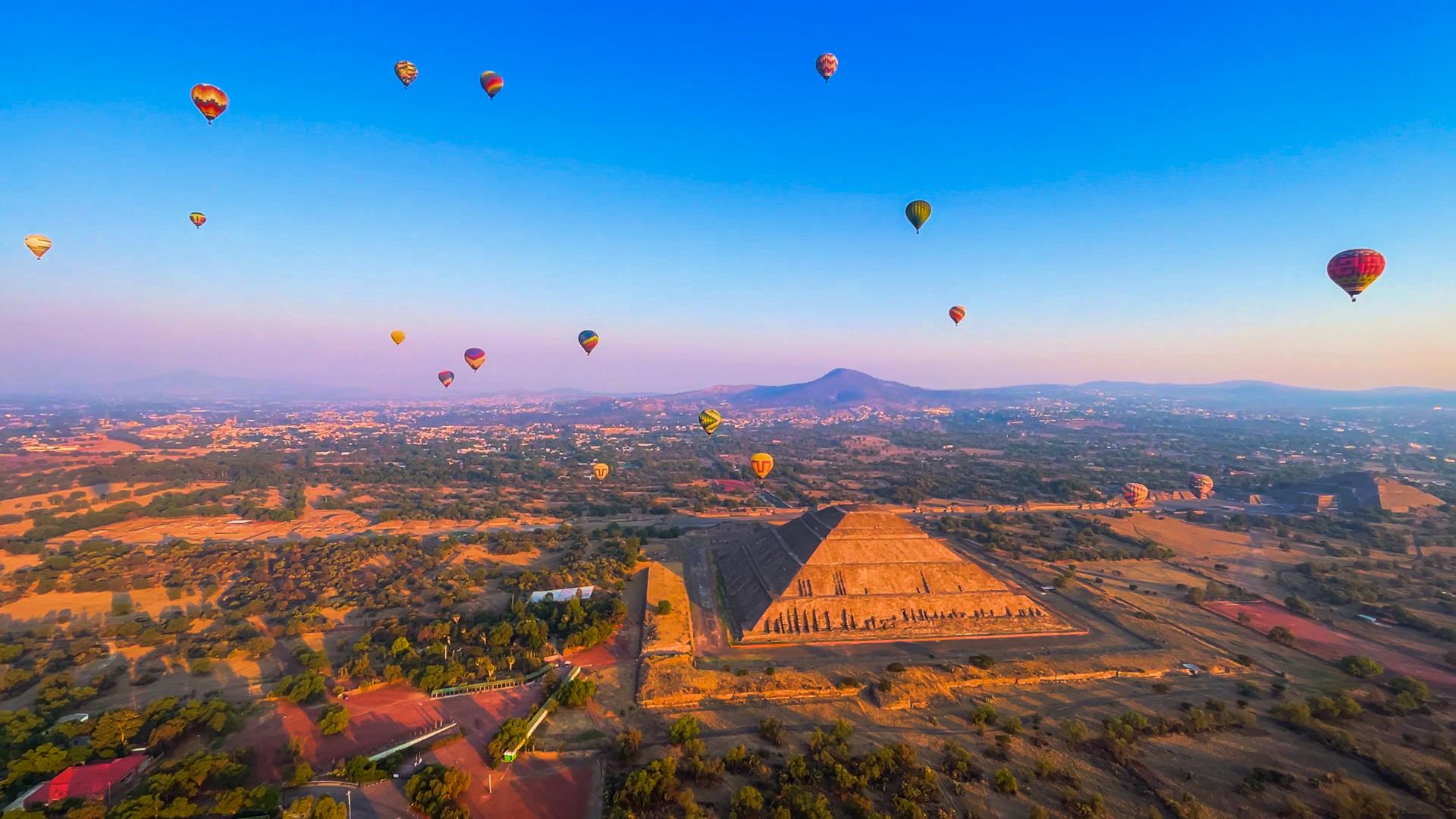
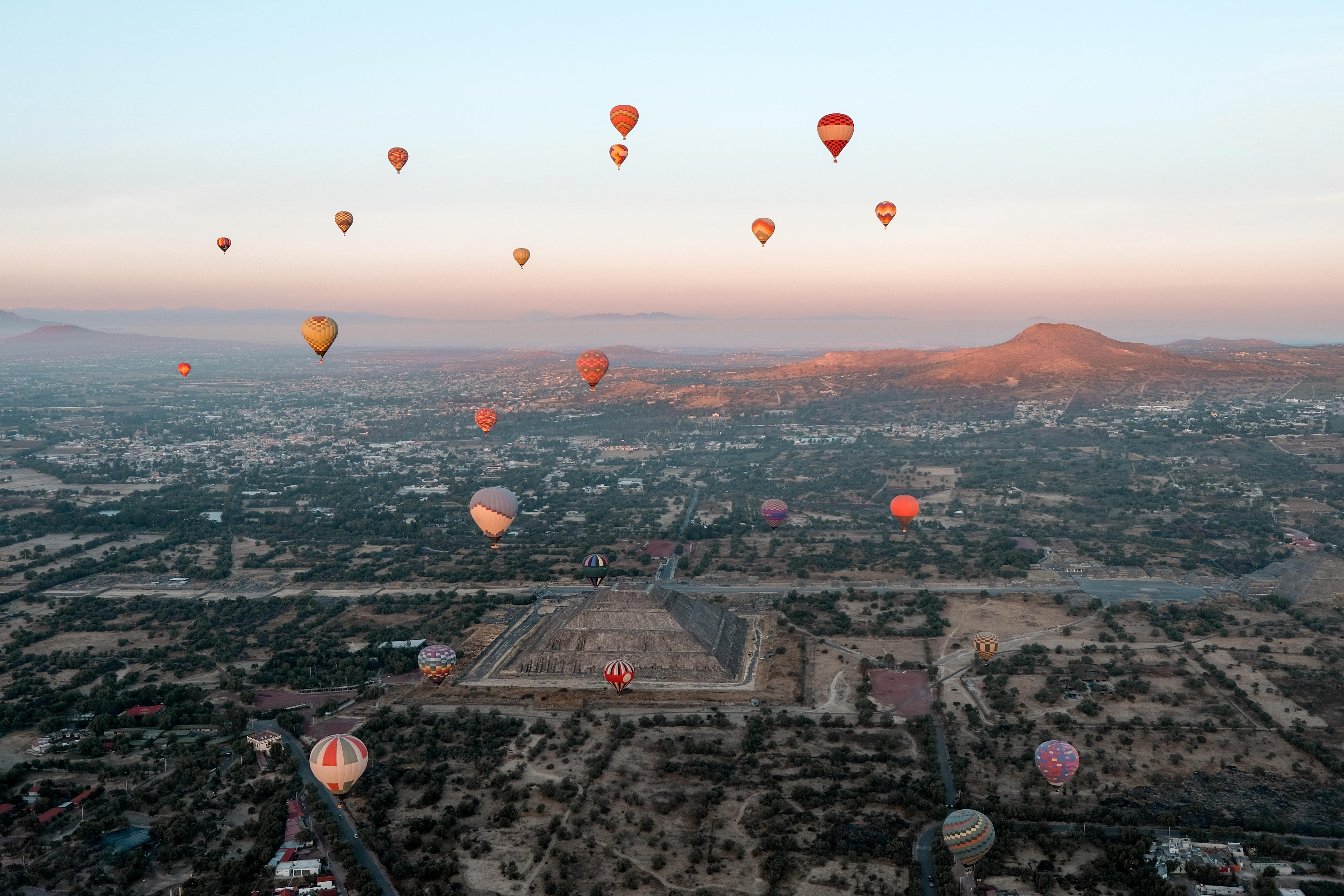
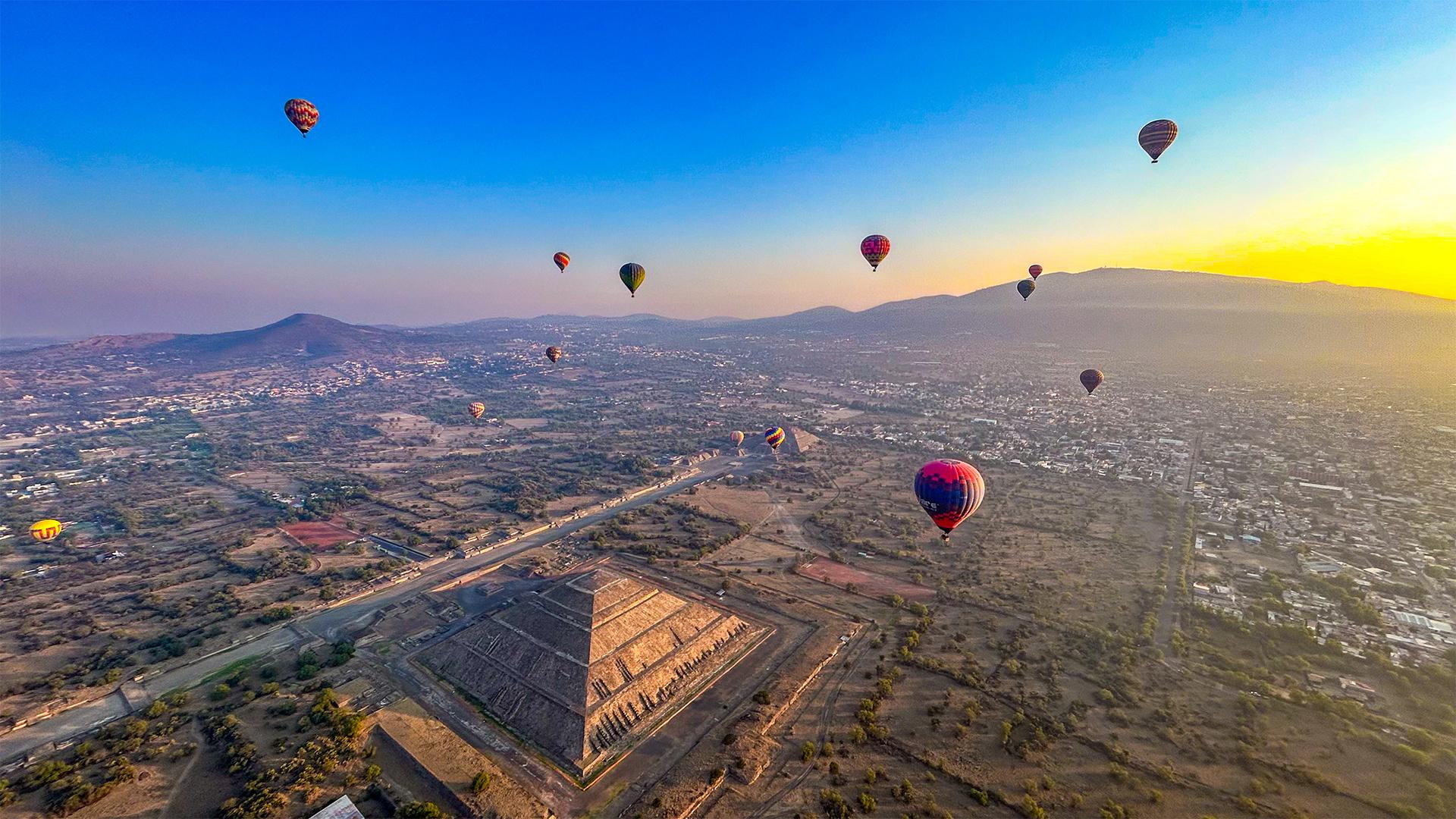
Teotihuacan offers far more than a single way to experience its ancient pyramids and avenues. Whether you prefer floating above the site at dawn, pedaling through the ruins, or pairing the complex with a nearby pilgrimage landmark, each tour format unlocks a genuinely different perspective. Browse the options below to match your pace, group size, and the kind of access you want — from private expert-led visits to atmospheric cave dinners after dark.
Structuring Your Day: Sample Itineraries for Teotihuacan Tours
A well-planned day at Teotihuacan rewards early risers who arrive before the crowds and the midday heat. This sample itinerary pairs a sunrise balloon flight or early gate entry with a walk along the Avenue of the Dead, then closes with lunch inside a volcanic cave restaurant. Adjust the pace to fit your group — the site is compact enough to cover the main pyramids in a single morning.
Board a hot-air balloon at first light for aerial views of the pyramids and surrounding valley, or join an early-access group entering the site before general admission opens. Either option takes roughly 60–90 minutes and lets you reach the Pyramid of the Sun while temperatures are still cool.
Climb the 248 steps to the top of the Pyramid of the Sun, the third-largest pyramid in the world, while the site is still quiet. Allow about 45 minutes to ascend, take in the panoramic views, and descend at a comfortable pace.
3
10:00
Walk the Avenue of the Dead
Follow the central axis of the ancient city from the Pyramid of the Sun north to the Pyramid of the Moon, a roughly 1.5 km route that passes the major plazas and temple platforms. The walk takes 45–60 minutes and gives a clear sense of the city's scale and grid layout.
4
11:30
Pyramid of the Moon and Plazas
Explore the Pyramid of the Moon and the surrounding Plaza of the Moon, where ceremonial spaces and smaller altars are preserved at ground level. Budget 30 minutes here before heading out of the main site toward lunch.
5
13:00
Lunch at La Gruta
Eat inside La Gruta, a natural volcanic cave converted into a restaurant just outside the archaeological zone's Gate 5. The cave setting keeps temperatures cool, and the menu centers on Mexican classics; a mid-range meal runs $300–380 MXN per person.
Getting around
Navigating the Pyramids: Transport Guide for Teotihuacan Tours
Navigating the Teotihuacán archaeological zone is straightforward, though the area itself spans several square kilometers and requires a significant amount of walking. Visitors generally utilize a combination of public buses, regional taxis, and foot travel to move between the five main entrance gates.
Bus
$81 MXN single
The operator Autobuses Teotihuacán runs regular departures from Mexico City's Terminal del Norte directly to the archaeological zone gates. Buses run frequently throughout the day, providing a direct link to the site.
Walking
Free within the site
Walking is the primary method to explore the archaeological site, especially along the central Avenue of the Dead. Visitors should prepare for long distances and uneven stone pathways between the main pyramids.
Taxi
$80 MXN typical short-hop fare
Local taxis are available outside the main gates to transport visitors between different entrances or to the nearby town center. They offer a convenient way to rest after walking the site.
From the airport: From Felipe Ángeles International Airport (NLU), a taxi takes 30 min and costs $380 MXN. From Benito Juárez International Airport (MEX), a taxi takes 50 min and costs $650 MXN.
When to go
Weather and Crowds: The Best Timing for Teotihuacan Tours
The best window to visit Teotihuacan is during the dry winter months from December to April, when rainfall is minimal. Arriving precisely at the 8:00 AM opening time ensures you beat both the intense midday heat and the tour bus crowds.
December–February
Cool, dry days. Average 42°F to 71°F.Peak crowds, especially on weekends.
Sunny days make this the most comfortable time for walking the ruins, though mornings can be chilly. Arrive at the 8:00 AM gate opening to beat the midday sun and peak congestion.
March–May
Warm and dry. Average 51°F to 78°F.High, peaking during the equinox.
The spring equinox in March draws massive crowds to the site. Temperatures peak in May, making early morning arrivals essential to avoid high UV exposure.
June–September
Wet, humid afternoons. Average 53°F to 73°F.Lower crowds except summer holidays.
Heavy afternoon downpours occur regularly, but mornings are typically clear. Plan your visit early in the day to finish before the rains begin.
October–November
Mild, drying conditions. Average 48°F to 72°F.Moderate, rising during holidays.
Rainfall drops significantly while temperatures remain comfortable. The Day of the Dead in early November brings regional celebrations and a spike in domestic visitors.
Costs
Estimating Your Expenses: Pricing for DIY Visits vs. Teotihuacan Tours
Visiting Teotihuacan is exceptionally affordable for independent travelers relative to the wider Mexico City region, though prices rise for organized excursions. A self-guided traveler can easily navigate the site with public transit and the official entry fee of $210 MXN, whereas premium balloon packages and private transport cater to higher budgets.
Official site entry feeGeneral admission ticket for foreign visitors
$210 MXN
Autobuses Teotihuacán ticketOne-way public bus ride from Mexico City
$81 MXN
Mid-range mealLunch at a restaurant near the ruins
$300–380 MXN
Standard group tourIncludes transportation and guide fee
$1,100 MXN
Hot air balloon packageIncludes flight, breakfast, and transport
$3,300 MXN
Local coffeeCup of coffee at a local cafe
$45–55 MXN
Short-hop taxi fareTypical fare within the local area
$80 MXN
Local drinkTraditional local beverage
$45–55 MXN
Daily budget: A budget traveler using public transit spends around $650 MXN daily, while a mid-range visitor utilizing organized tours should budget upwards of $1,600 MXN.
Food & drink
Cactus and Cave Dining: Where to Eat on Teotihuacan Trips
The culinary scene surrounding the ancient ruins blends pre-Hispanic ingredients like agave and cactus with traditional slow-cooked meats. Visitors can dine inside natural volcanic caves or sample centuries-old beverages in the neighboring towns of San Juan Teotihuacán and San Martín de las Pirámides.
La Gruta
$450–650 MXN
venue
A restaurant located inside a natural volcanic cave behind the Pyramid of the Sun. It serves pre-Hispanic specialties, such as escamoles (ant larvae) and classic mole recipes dating back to 1927.
Barbacoa de Borrego
$150–250 MXN
dish
Mutton slow-cooked in underground pits lined with maguey leaves until tender. This regional dish is traditionally served with hot consommé on weekends at local spots like Barbacoa Luis Suárez.
Pulque
$45–55 MXN
dish
A mildly alcoholic, viscous drink made from fermented agave sap that has been produced in the valley since pre-Hispanic times. Try cured fruit varieties at local pulquerías like La Xoma in San Martín de las Pirámides.
La Cueva Teotihuacán
$300–380 MXN
venue
An underground cavern restaurant located on Avenida Hombres Ilustres. It offers traditional buffet breakfasts and lunch menus featuring grilled meats and local cactus salads.
Mixiote
$120–180 MXN
dish
Seasoned lamb or chicken wrapped in a thin maguey leaf membrane and steamed. Travelers can sample this dish at rustic open-air eateries lining the perimeter road of the archaeological zone.
Local picks
Off the Avenue of the Dead: Lesser-Known Stops on Teotihuacan Excursions
Beyond the towering stone pyramids of the central ceremonial plaza lie the residential quarters that housed the city's ancient residents. Exploring these quiet, peripheral compounds reveals the painted murals and domestic architecture that defined Teotihuacan daily life.
Palacio de Tepantitla
Northeast of the Main Ruins
This residential complex contains the famous "Paradise of Tlaloc" fresco, showing citizens playing games and gathering plants beneath the rain god.
Palacio de Tetitla
Southwest of the Main Ruins
Once home to the city's wealthy elite, this compound features labyrinthine rooms adorned with murals of jaguars wearing feathered headdresses and owl warriors.
Palacio de Atetelco
Southwest of the Main Ruins
The murals here feature red-painted coyotes and jaguars, leading archaeologists to believe the compound functioned as a military academy or ceremonial quarters for warriors.
Museo de Murales Teotihuacanos Beatriz de la Fuente
Near Gate 3
This museum displays salvage archaeological fragments, models of the ancient city, and exhibits explaining the mineral pigments used to paint the local facades.
Palacio de Zacuala
Southwest of the Main Ruins
This walled apartment compound features a central patio and a shallow pool that likely reflected moonlight to illuminate the surrounding rooms.
The story
The City of the Gods: Historical Context for Your Teotihuacan Visit
No one knows who built Teotihuacan. The city's founders left no decipherable writing, no dynastic portraits, no named rulers. Archaeologists have assigned the culture a placeholder label — Teotihuacano — and little more. What survives is the evidence of extraordinary intent: a rigid orthogonal grid laid out around 100 BCE, oriented 15.5 degrees east of true north, aligning the Street of the Dead with the setting of the Pleiades. That astronomical decision governed every subsequent structure, transforming teotihuacan tours into a journey through deliberate cosmic geometry.
Construction of the Pyramid of the Sun, the third-largest pyramid on Earth by volume, was substantially complete by 100 CE. The Pyramid of the Moon followed over the next two centuries. At its apex near 450 CE, the city covered roughly 20 square kilometers and housed between 100,000 and 200,000 inhabitants — making it among the largest urban centers on the planet at the time. Murals excavated in the Tetitla and Atetelco compounds reveal a pantheon centred on a Great Goddess and a Storm God, deities whose iconography later seeded Aztec religion. The city collapsed, apparently from internal violence and fire, around 550 CE; its ceremonial core was deliberately burned.
The Aztecs arrived here centuries after that abandonment and named the ruins Teotihuacan — "the place where men become gods" in Nahuatl. They conducted pilgrimages along the same sacral avenue visitors walk today. Booking teotihuacan tours tickets connects a modern traveler to that unbroken thread of reverence for the Sun Pyramid and Moon Pyramid, archaeological monuments that UNESCO inscribed as a World Heritage Site in 1987.
~100 BCE
Teotihuacan's orthogonal urban grid is laid out, aligned 15.5 degrees east of true north to track the Pleiades.
100 CE
Construction of the Pyramid of the Sun is largely complete, making it one of the largest structures in the ancient Americas.
250–450 CE
The city reaches peak population of up to 200,000 residents and exerts cultural influence across Mesoamerica.
~550 CE
The ceremonial core is deliberately burned, marking the collapse of Teotihuacano political authority.
7th–8th c.
Successive Mesoamerican cultures visit and reuse the abandoned site, embedding it in regional cosmology.
1400s CE
Aztec rulers conduct formal pilgrimages to the ruins, naming the site Teotihuacan and incorporating its deities into their own religion.
1987
UNESCO inscribes Teotihuacan as a World Heritage Site, recognizing its outstanding universal cultural and archaeological value.
FAQ
Frequently asked questions about visiting Teotihuacan
Everything you need to know about visiting teotihuacan tours
Visitors arriving at Felipe Ángeles International Airport (NLU) can take a 30-minute taxi ride to the center for about $380 MXN [0]. If you land at Benito Juárez International Airport (MEX), a taxi ride takes approximately 50 minutes and costs around $650 MXN [0]. Both options offer direct access to the valley.
The peak season runs from December to April, offering visitors pleasant, dry winter weather [0]. The spring equinox in March is particularly popular, attracting larger crowds to the site [0]. Many travelers choose this time to participate in teotihuacan tours to enjoy the clear skies.
Budgeting is straightforward since local prices are quite reasonable. A mid-range meal typically costs between $300 and $380 MXN, while a cup of coffee or a local drink will run about $45 to $55 MXN [0]. A short-hop taxi ride around town averages $80 MXN [0].
Exploring the monumental Pyramid of the Sun and the Pyramid of the Moon remains the top activity. Visitors also enjoy walking the Avenue of the Dead and examining the detailed carvings at the Temple of the Feathered Serpent.
Yes, while the official language of the region is Spanish, English is widely spoken by professional tour guides [0]. You can easily find bilingual guides at the entrance of the archaeological zone to explain the history. Booking registered teotihuacan tours ensures you get a guide fluent in your preferred language.
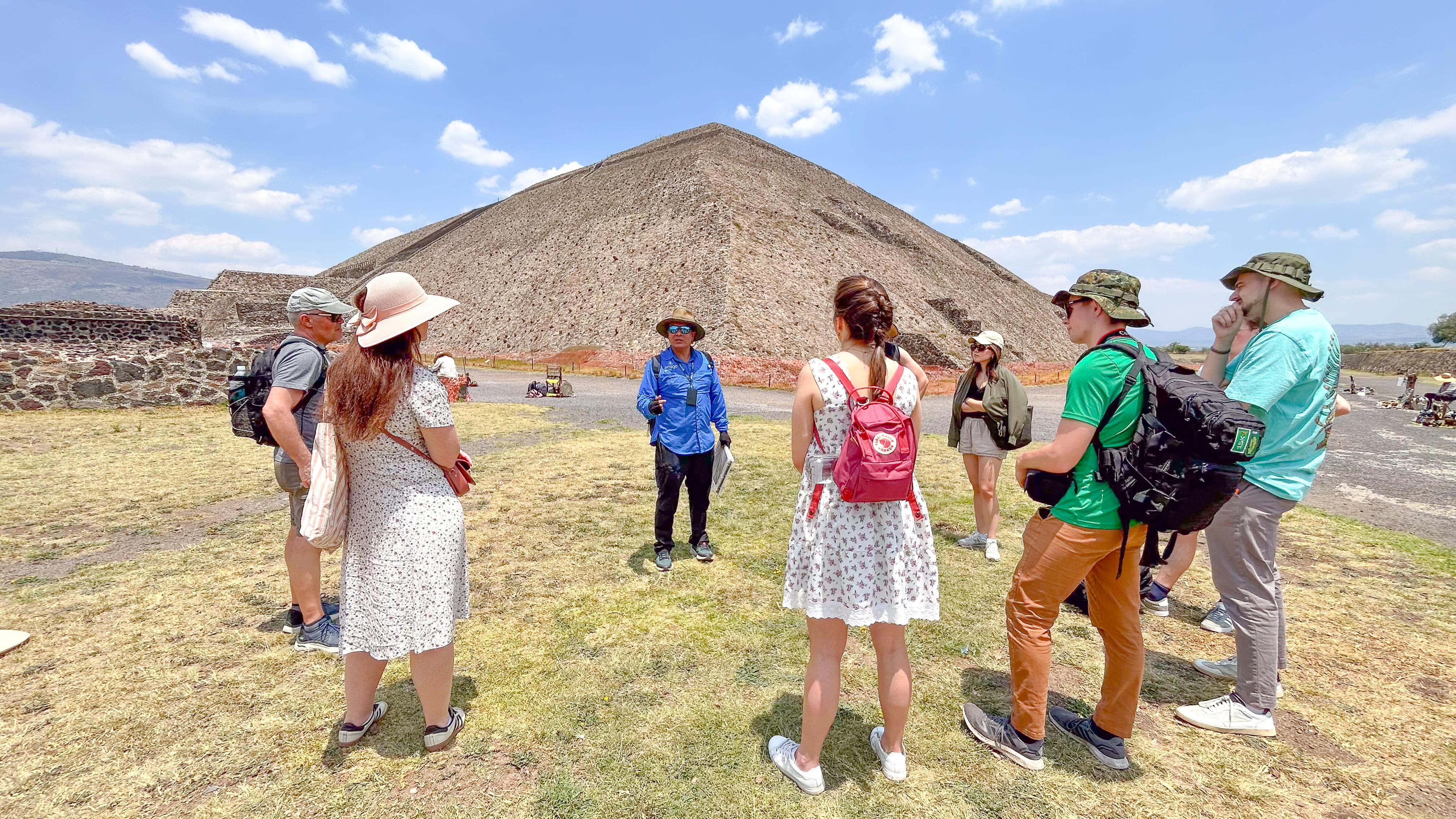
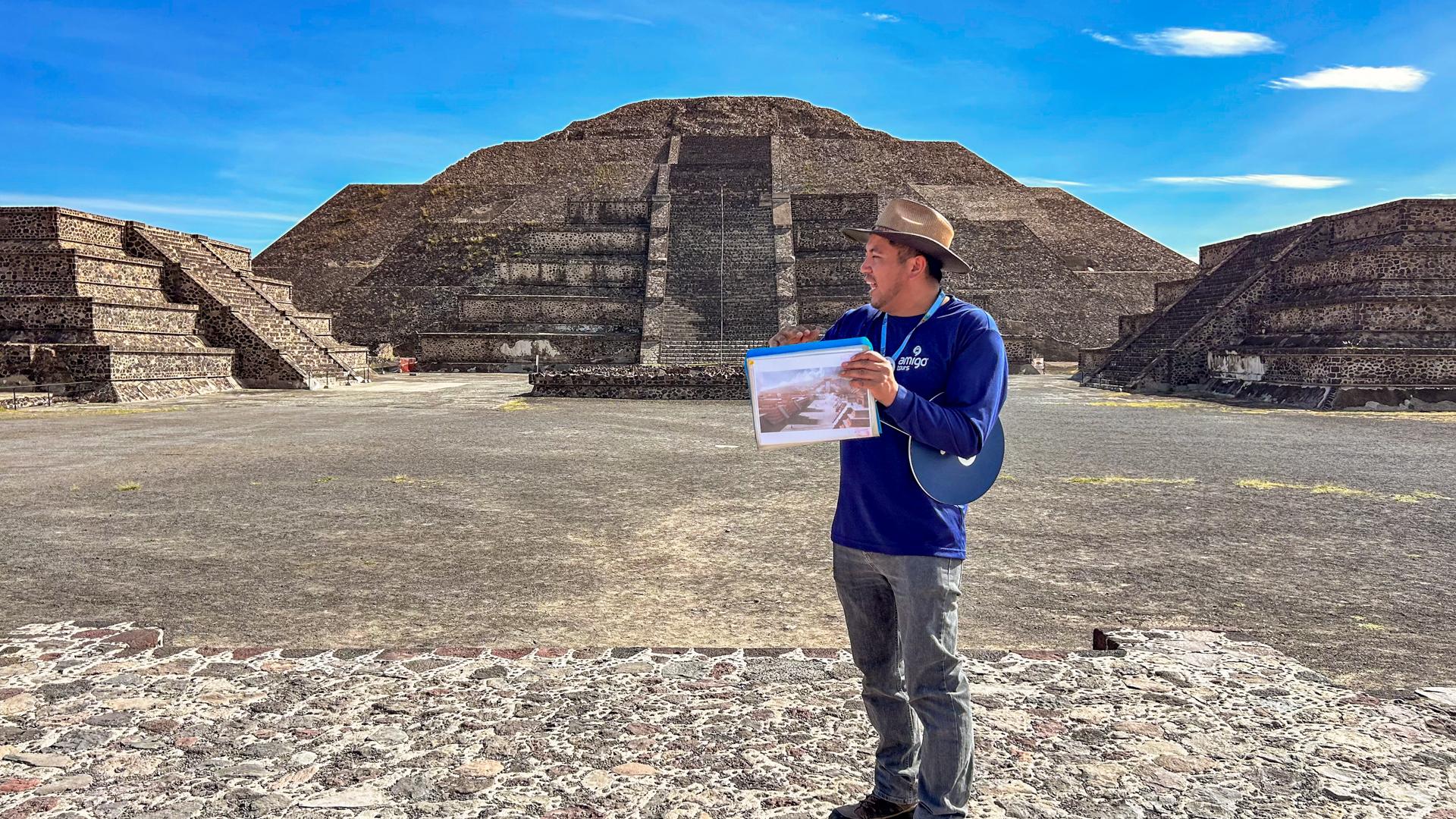
A classic excursion covers the main highlights of the pre-Hispanic city, including the massive platforms and surviving murals. Guides will lead you through the plazas and explain the advanced urban planning of the ancient society. These organized teotihuacan tours frequently handle all logistics, making the journey hassle-free.
The official tourism site is hosted by INAH at https://lugares.inah.gob.mx/en/node/4528 [0]. This platform provides official updates on ticket pricing, opening hours, and safety guidelines. It is a reliable resource for planning your visit to this UNESCO World Heritage site.
The local public transit operator is Autobuses Teotihuacán, which runs regular services in the area [0]. A single ride costs $81 MXN, making it an affordable way to reach the entrance gates [0]. Using this service is a great alternative to booking private transportation or teotihuacan tours.
Yes, the archaeological park is generally very safe for tourists during official operating hours. Visitors should follow marked paths, carry water to stay hydrated under the sun, and secure their personal belongings. Local authorities and site staff maintain a regular presence throughout the ruins.
Ready to Explore?
Choose from amazing attractions and create unforgettable memories in this beautiful city