9 hr
Teotihuacan Cultural Discovery: Pyramids, Spirits & Craft Beer
- Expert local guide
- Small group
- Skip-the-line access
- Free cancellation
Teotihuacan Dinner in a Cave — Table in the Stone, Feast Among the Gods
Ancient stone overhead, folk dance below
Compare fares, pick the fit — all bookings are mobile-voucher and eligible for free cancellation where shown.
9 hr
10 hr
10 hr
Worth it for atmosphere-seekers, skippable for budget travelers
Teotihuacan dinner in a cave delivers something genuinely rare: a meal inside a natural lava-tube grotto steps from one of Mesoamerica's greatest pyramid complexes. Entry to La Gruta is free — you pay only for food and drinks — so the real question is whether the menu prices justify the setting. For visitors who want more than a quick archaeological site walkthrough, the cave dining experience layers folkloric dance performances, pre-Hispanic cuisine, and the sensory novelty of candlelit stalactites into a single afternoon. Teotihuacan dinner in a cave tours typically bundle transport, making the logistics easier. Budget-conscious travelers may balk at à-la-carte prices that run well above street-food rates, but for those treating the visit as a half-day cultural event, the value holds. Arrive between 13:00 and 15:00 to catch live folk dance shows at peak atmosphere.
Bottom line: If you value atmosphere and cultural performance over price-per-plate, this cave dining experience earns its premium — but pure budget travelers will find better value eating outside the archaeological zone.
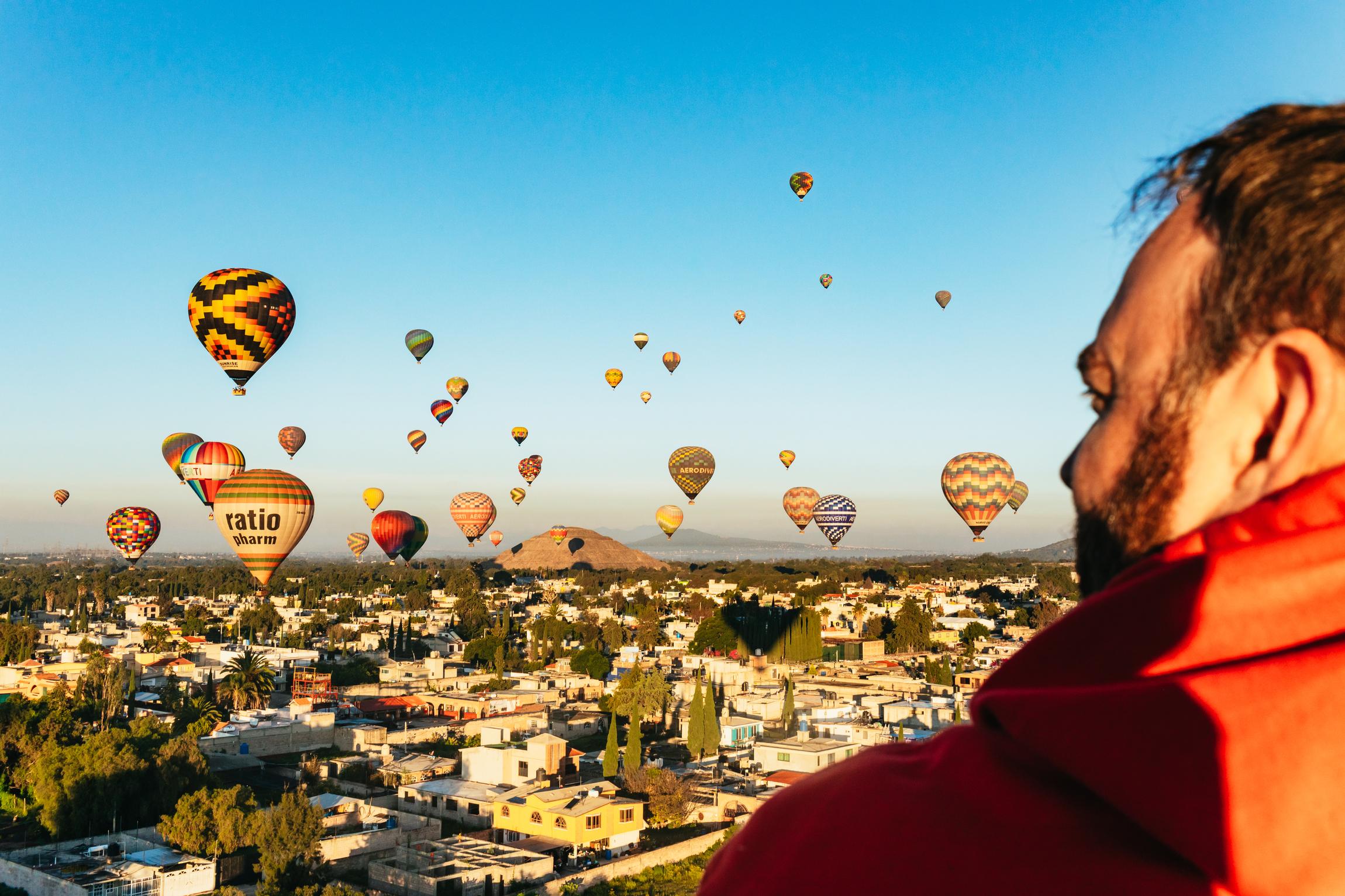
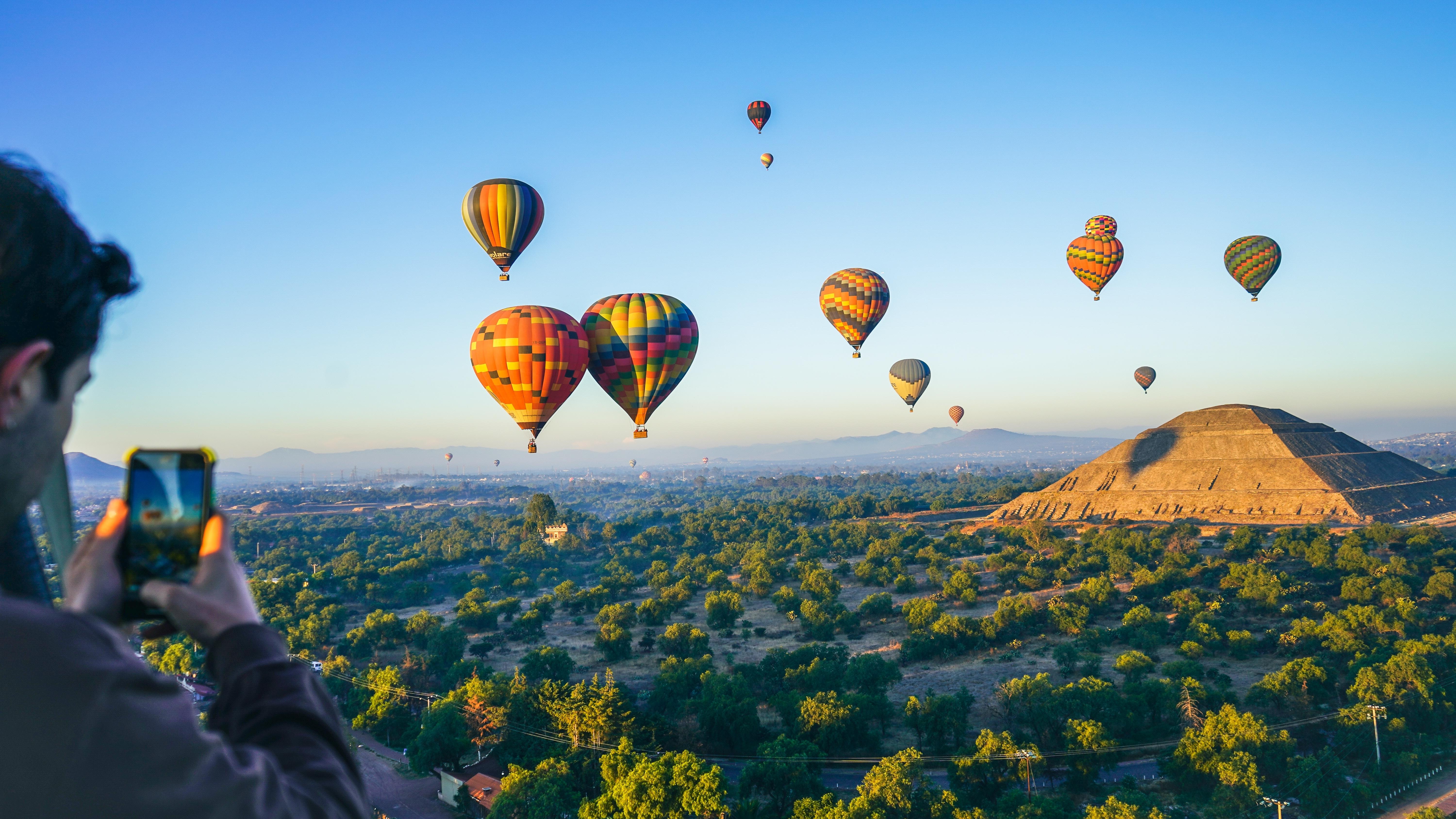
La Gruta is the clear winner for iconic Aztec atmosphere and proximity to the ruins. Choose a teotihuacan dinner in a cave tour here for grand folklore shows, or visit La Cueva for a quick post-balloon flight breakfast.
|
Top pick La Gruta |
La Cueva | |
|---|---|---|
| Location & Proximity to Ruins | 200 meters from Pyramids Gate 5 | 1.5 km from Pyramids Gate 5 |
| Vibe & Atmosphere | Classic, candle-lit volcanic cave | Modern cavern overlooking balloon landing fields |
| Menu & Culinary Focus | Traditional pre-Hispanic fine dining | Traditional Mexican breakfast buffet |
| Live Shows & Performance Times | Folkloric and mariachi dance shows, 13:00–15:00 | Pre-Hispanic dance performances during breakfast |
| Price & Value | Free entry, average $600–$1,000 MXN meals | $450 MXN per person buffet |
| Reservations & Tour Packages | Independently booked via official website | Booked directly or via flight tour packages |
| See tickets & prices |
Verdict: Secure your teotihuacan dinner in a cave tickets early at La Gruta for the classic folk shows, or choose La Cueva to avoid the crowds associated with major teotihuacan dinner in a cave tours.
Hand-picked experiences loved by thousands of travelers
9 hours
Free Cancellation
Discover Mexico’s legendary heritage on a full-day guided excursion to pyramids, sacred shrines, and historic archaeological sites.
3 - 11 hours
Free Cancellation
Experience sunrise over the ancient Pyramids of Teotihuacan with flexible tour options including guided cultural visits.
4.5 - 6.5 hours
Free Cancellation
Experience the wonder of Teotihuacan from above with a private sunrise balloon flight and sparkling wine.
Check in at the reception desk outside Gate 5 of the archaeological zone to start your Teotihuacan dinner in a cave.
Walk down the natural volcanic stone steps into the cool air of the subterranean chamber.
Enjoy traditional Mexican cuisine and local specialties like mixiote under the natural cave dome.
Watch traditional Mexican folk dances and pre-Hispanic dance rituals performed on the central stage.
Receive a small candle at the end of your meal, light it, and place it in the cave wall crevices.
This natural cavity of volcanic origin was formed by the activity of the Cerro Gordo volcanic complex. During the peak of Teotihuacán around 100 CE to 650 CE, local inhabitants used the cave to store maize and grains.
This designated wooden stage in the center of the cave floor hosts weekly cultural events. Folk dance performances take place here every Saturday at 15:30 and Sunday at three distinct times starting from 13:30.
The volcanic rock walls are covered with thousands of small, colorful wax candles left by visitors. This candle-lighting ritual draws on ancient Mesoamerican beliefs linking caves to the underworld and rebirth.
This area hosted the very first diplomatic banquets organized by President Porfirio Díaz on April 9, 1906. The venue formally opened as a public restaurant in 1926, and once hosted Queen Elizabeth II in 1975.
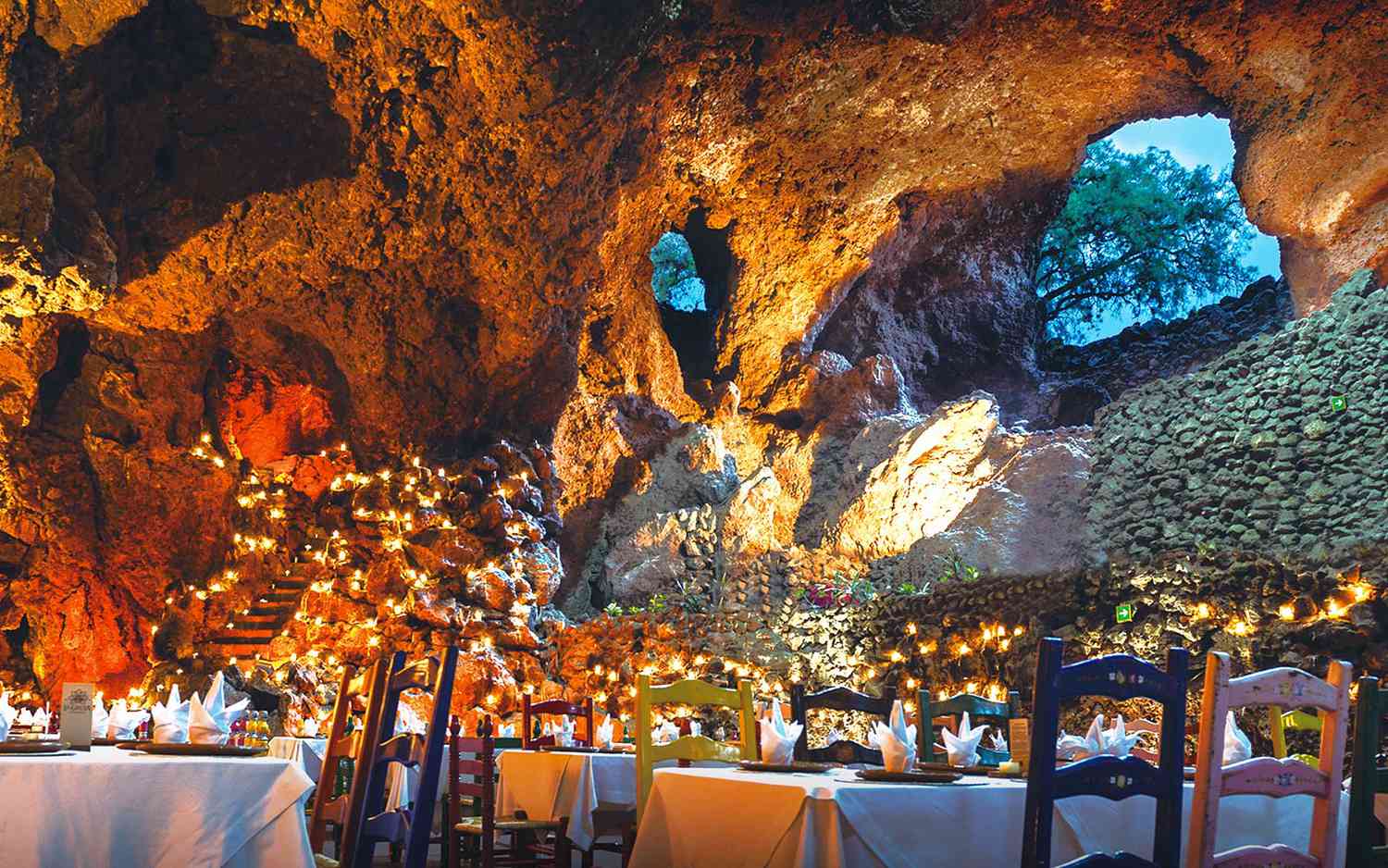
The roof of the cave stands several meters high and has natural fissures that allow shafts of sunlight to illuminate the dining tables. In the evening, the area relies on hundreds of glowing candles to light the space.
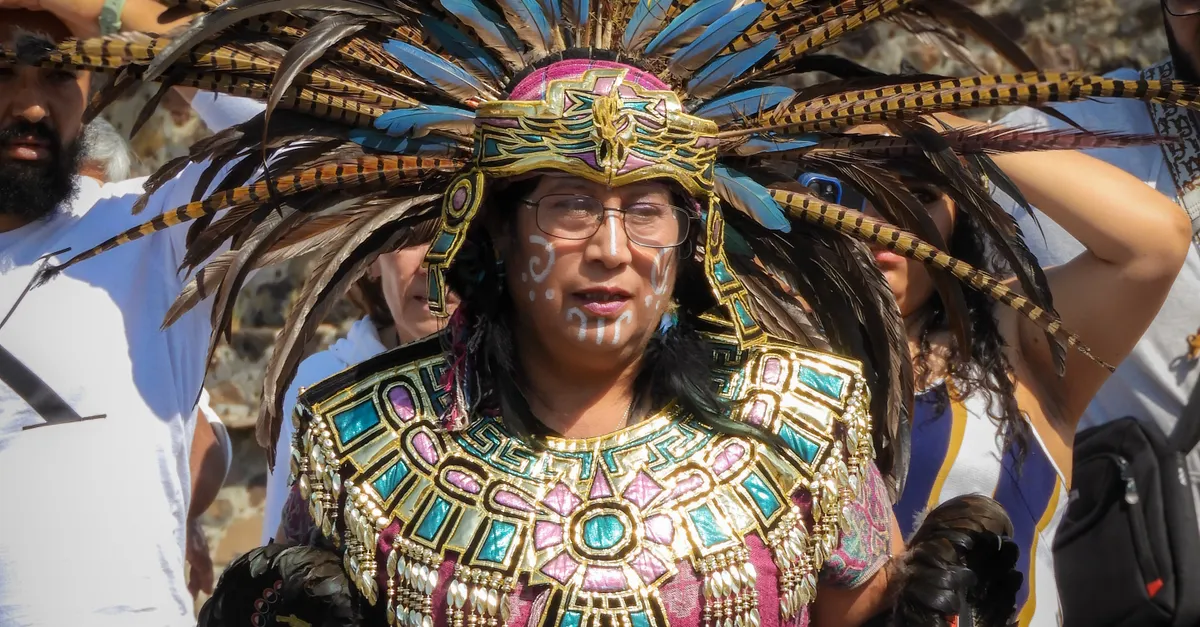
You arrive at Circuito Arqueológico, Avenida del Puente S/N, and spot the cave entrance cut into the low hillside just beyond the archaeological zone perimeter. A flight of stone steps — roughly a dozen — drops you below ground level, and the air immediately shifts: cooler, mineral, carrying the faint scent of damp basalt. You pause at the threshold to let your eyes adjust before stepping fully inside. The host leads you through the main chamber, past stalactite formations preserved behind a low rope barrier, and seats you in one of the recessed alcoves. Stone walls curve a metre above your head. You order from a menu built on central Mexican staples — slow-braised barbacoa, a regional mole negro, and a clay cup of pulque poured from a ceramic vessel at the table. By 13:00 the central chamber fills and the folk dance performance begins: dancers in feathered headdresses move across the levelled stone floor to percussion that resonates inside the vault in a way no open-air stage can match. When you secure teotihuacan dinner in a cave tickets in advance, the host confirms a table in one of the deeper alcoves, where the sound carries best and candlelight catches the mineral veins in the rock. You finish with café de olla and step back up the stone stairs into full afternoon light, the Pyramid of the Sun visible above the treeline less than 800 metres away.
All the details about your upcoming adventure in one place
A teotihuacan dinner in a cave sets guests inside a natural volcanic grotto beneath the ancient ceremonial landscape, pairing traditional Mexican cuisine with live music and soft candlelight. Teotihuacan dinner in a cave tours typically include a multi-course meal featuring regional dishes like tlayudas, slow-cooked barbacoa, and mezcal tastings, all served within a pre-Hispanic setting framed by obsidian rock walls and the distant silhouette of the Pyramid of the Sun. Booking teotihuacan dinner in a cave tickets in advance is strongly recommended, as nightly capacity is limited and this underground dining experience near the Avenue of the Dead draws consistent demand from visitors to the San Juan Teotihuacan archaeological zone.
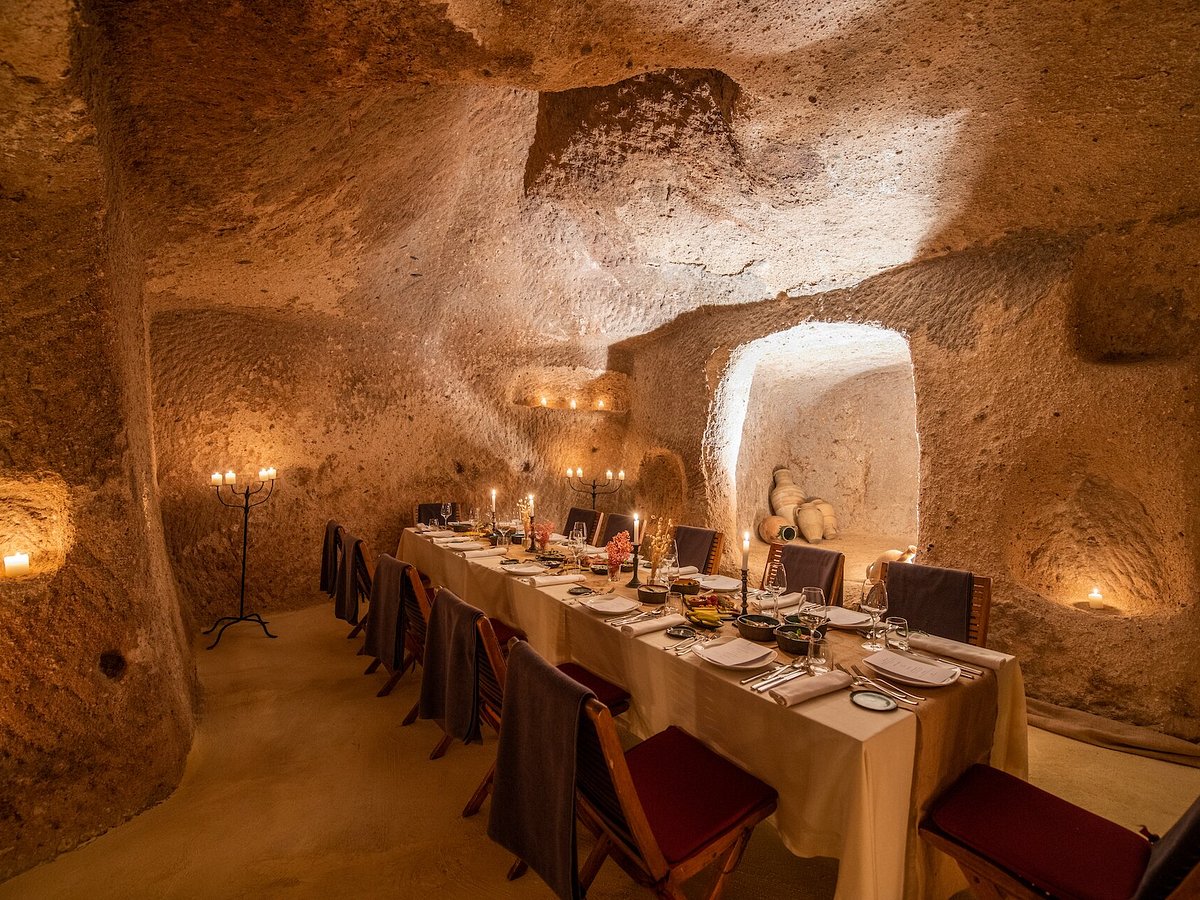
La Gruta — a natural volcanic cave worn smooth by water over millennia — has sheltered diners on the edge of Teotihuacan's archaeological zone since the mid-twentieth century, making it one of Mexico's longest-operating cave restaurants. The cavity itself stretches roughly 80 metres into the hillside, and the temperature inside holds steady at around 15 °C regardless of the season, a geological fact that once attracted indigenous communities long before the first tablecloth was ever laid. That continuity between ancient use and contemporary hospitality is precisely what draws visitors seeking a teotihuacan dinner in a cave rather than a conventional restaurant meal. The site sits adjacent to Circuito Arqueológico, within comfortable walking distance of the Pyramid of the Sun and the Pyramid of the Moon — two of the most studied pre-Columbian structures in the Americas. Teotihuacan itself was the largest city in the pre-Columbian Western Hemisphere at its height, housing an estimated 125,000 people along the two-kilometre Calzada de los Muertos. La Gruta's position at the archaeological perimeter means that guests transition directly from obsidian-studded plazas and talud-tablero facades into candlelit basalt chambers without ever boarding a bus. That geographic intimacy gives the underground dining teotihuacan experience a density of context that a downtown Mexico City restaurant simply cannot replicate. Architecturally, the cave is a study in restraint. The owners have left the volcanic basalt walls largely unadorned, relying on warm pendant lighting and the natural undulations of the ceiling — rippled by centuries of water erosion — to create atmosphere. The main chamber narrows as it recedes, producing a sequence of intimate alcoves that seat small parties in near-seclusion. Traditional Otomí and Nahua textile pieces appear at intervals, tying the décor to the living indigenous cultures of the Teotihuacan Valley. The menu leans on central Mexican staples: slow-braised barbacoa, chile-rubbed meats cooked in underground pits, and regional moles whose recipes have circulated through the valley for generations. Pulque, the fermented agave drink that pre-Columbian Teotihuacanos produced in industrial quantities, remains on the beverage list — a direct sensory link to the city's ancient economy. For those researching teotihuacan dinner in a cave tour options, the restaurant is open daily from 08:00 to 18:00, with entry to the premises free of charge; food and beverages are priced separately. Folk dance performances — rooted in Aztec and Toltec ceremonial traditions — are staged regularly inside the cave, adding a performative layer to what is otherwise an intimate meal. The combination of subterranean geology, indigenous culinary heritage, and proximity to one of the world's great archaeological sites gives La Gruta a cultural weight that extends well beyond its role as a place to eat.

La Gruta holds its temperature at 15 °C year-round — a geological constancy that has drawn people into this basalt chamber for far longer than the restaurant itself has existed.
Wear casual, comfortable clothing and sturdy walking shoes since the path down into the cave features uneven volcanic stone. Temperatures inside the natural grotto remain significantly cooler than the outdoor heat, so bringing a light jacket or sweater is highly recommended for your Teotihuacan dinner in a cave.
There are no baggage check facilities or lockers on site, so large backpacks and luggage are not permitted inside the dining area. Small handbags and daypacks are allowed after a brief security inspection at the entrance.
Personal photography is permitted, but the use of professional tripods, external flash units, and commercial video equipment is restricted to protect the natural cave walls. Capturing the natural light filtering through the upper dome is best done without disturbing other diners.
The restaurant offers a dedicated children's menu featuring pasta and chicken options. Parents should closely supervise young children around the steep stone steps and the candle-decorated crevices along the cave walls.
The subterranean dining room is reached via a steep flight of natural stone stairs, making it challenging for guests with limited mobility or wheelchair users. Strollers must be folded and carried down, as there are no ramps or elevators leading into the volcanic grotto.
The menu features traditional pre-Hispanic cuisine of central Mexico, including options like escamoles, mixiote, and local corn tortillas. A variety of specialty margaritas crafted with prickly pear or xoconostle are available, alongside non-alcoholic beverages.
Quietest weekday
Low wait times
Moderate capacity
Midweek demand level
Pre-weekend crowd level
Traditional dances scheduled
Peak family dining day
Opening Hours
08:00–18:00 daily
Address
Circuito Arqueológico, Avenida del Puente S/N, San Francisco Mazapa, 55820 San Juan Teotihuacán, Méx., Mexico
Wheelchair Access
Limited access via natural volcanic stone steps
Best Arrival Window
13:00–15:00 — Enjoy lunch during peak hours and watch the traditional folk dance performances.
Baggage Policy
No locker storage for large travel bags
Public transport · 1 hour 15 minutes · 104 MXN round trip
Take the Autobuses del Norte line bus heading to Teotihuacán from Mexico City's Northern Bus Terminal, get off at Gate 5, and walk 200 meters to the entrance.
Car · 1 hour · 150 MXN toll fees
Drive northeast from Mexico City via Highway 132D to experience the La Gruta underground restaurant, exiting toward San Francisco Mazapa where parking is available near Gate 5.
Taxi · 1 hour · 600-800 MXN one way
Request an authorized taxi or rideshare service from Mexico City directly to the volcanic cave restaurant Mexico entrance, though return rides can be harder to hail.
Reservations can be canceled or modified up to 24 hours before your booking with no penalty. Third-party Teotihuacan dinner in a cave tours offer a full refund if canceled at least 24 hours in advance, while the restaurant entrance fee is 0 MXN (Free entry, food and drinks charged separately).
Recommended time
2 hours
A teotihuacan dinner in a cave tour typically lasts around two hours, providing plenty of time to enjoy a multi-course traditional meal while watching the traditional folk dance performances inside the volcanic cave. This unique La Gruta cave dining experience fits perfectly into your daily travel itinerary right after you finish exploring the nearby Teotihuacan archaeological site. While there are no teotihuacan dinner in a cave tickets to purchase since admission is free, you must still book your teotihuacan dinner in a cave online to guarantee a table during the popular afternoon hours. Without a confirmed booking, weekend walk-in wait times can easily exceed an hour, potentially disrupting your planned return transport to Mexico City.
Crowd levels through the day
Weather · crowds · average price — dots go green to amber to red as each metric rises.
This is a highly popular season due to the spring equinox at the nearby pyramids. Booking a Teotihuacan dinner in a cave during these months requires planning at least a month in advance due to high regional tourist numbers. The cave interior remains a cool 18 degrees Celsius.
Summer brings frequent afternoon rain showers in central Mexico. The cave provides complete shelter from the rain, allowing you to dine comfortably. Ensure you book a late lunch slot to avoid the wet weather outside.
The weather cools down and tourist crowds thin out after the summer holidays. Visiting in November allows you to experience special Dia de los Muertos decorations and themed pre-Hispanic dishes. Weekend dance performances continue regularly.
Daytime temperatures average a comfortable 21 degrees Celsius, though mornings are chilly. The cave interior maintains a stable, cool temperature, so wearing layers is essential. Holiday season bookings from mid-December through January require reservations far in advance.
To secure a reservation for a Teotihuacan dinner in a cave, book online several weeks in advance, particularly for weekend lunch slots.
If you want to view the weekend folk dance performances clearly, ask for a table near the center of the cave floor when checking in.
Even if the surface temperature is hot, the subterranean volcanic stone cavern remains cool, so bringing an extra layer is wise.
While credit cards are accepted, carrying cash is useful for tipping the waitstaff and purchasing handmade crafts from local vendors near Gate 5.
If traveling from Mexico City, traffic along Highway 132D can be unpredictable, so give yourself a buffer to avoid missing your seating window.
Do not leave immediately after paying the bill; stay to receive your symbolic candle and place it in the cave walls.
Circuito Arqueológico, Avenida del Puente S/N, San Francisco Mazapa, 55820 San Juan Teotihuacán, Méx., Mexico
Present your digital booking confirmation to the host desk at the surface level.
Get directionsLong before the first diner descended its stone steps, the cave beneath the Teotihuacan plateau served far humbler purposes. Formed by volcanic activity millennia ago, the grotto was used by pre-Hispanic communities as a natural storage chamber — its constant temperature and humidity preserving maize, seeds, and dried goods for the agricultural cycles that sustained life around the ancient pyramids. Archaeological evidence links the site to the broader Teotihuacan culture, whose urban planners oriented entire ceremonial avenues around the cosmological significance of subterranean spaces. The cave's transformation into a venue for elite dining began during the reign of Porfirio Díaz. In 1906, the grotto hosted a series of state banquets attended by government officials and foreign dignitaries, an episode that positioned the site firmly within Mexico's modernizing project. Díaz's administration favored spectacle fused with national heritage, and the dramatic lava-rock interior — lit by lanterns against obsidian-black walls — provided exactly the kind of theatricality that Porfirian taste demanded. Those early gatherings laid the conceptual groundwork for what would eventually become the experience known today as teotihuacan dinner in a cave. After the upheaval of the Mexican Revolution, the site lay dormant through the 1910s and into the early 1920s, its banquet history temporarily eclipsed by political and economic instability. The formal public opening came in 1926, when La Gruta — the name meaning simply "the grotto" — welcomed paying guests for the first time. This marked a decisive shift: the cave moved from private ceremonial use to a permanent cultural-dining institution anchored beside the archaeological zone. Over the following decades, La Gruta weathered floods, ownership transitions, and the shifting tastes of Mexican hospitality culture without abandoning its stone-walled identity. Those booking teotihuacan dinner in a cave tours today encounter a space whose rough lava ceiling and hand-carved niches remain essentially unchanged since the 1926 opening, making it one of Latin America's most geologically authentic restaurant settings. Securing teotihuacan dinner in a cave tickets connects visitors not merely to a meal but to a continuous thread of human occupation stretching back to the pre-Columbian horizon.
Pre-Hispanic communities used the volcanic grotto as a cool-temperature storage chamber for maize and seeds tied to the agricultural rhythms of the Teotihuacan culture.
Under the Porfirio Díaz administration, the cave hosted a series of elite state banquets for government officials and foreign dignitaries, establishing its identity as a prestige venue.
The Mexican Revolution and its aftermath left the site dormant, suspending the banquet tradition amid widespread political and economic disruption.
La Gruta opened formally to the public, marking the cave's transition from private ceremonial use to a permanent restaurant beside the archaeological zone.
Successive ownership transitions and periodic flooding tested the venue, yet the original lava-rock interior and hand-carved niches were preserved without structural alteration.
Growing archaeological tourism at the pyramids drew international visitors to the grotto, embedding the cave restaurant within organized teotihuacan dinner in a cave tour itineraries.
Photograph the colorful dining tables from the top of the stone steps as you descend into this famous Teotihuacan cave restaurant. This viewpoint is excellent for documenting your teotihuacan dinner in a cave tour experience.
Capture the glowing light of numerous votive candles left on the rocky ledges by visitors. This spot is a symbolic highlight for those booking teotihuacan dinner in a cave tickets.
Stand directly under the cavern opening where natural sunlight beams down into the volcanic cavern. This overhead light illuminates the tables, providing perfect lighting to photograph your teotihuacan dinner in a cave.
Focus on the wooden tables and bright multi-colored chairs set against the dark volcanic rock. This angle showcases the vibrant decor and pre-Hispanic atmosphere featured on teotihuacan dinner in a cave tours.
Sharing a teotihuacan dinner in a cave with your family is a sensory experience, but navigating the natural volcanic cave with little ones requires some preparation.
The entrance requires walking down steep stone steps into the cavern. Swap your stroller for a baby carrier and inquire about booking one of the local teotihuacan dinner in a cave tours that assist with transport.
Sound travels easily inside the hollow volcanic cave, making performances by folk dancers loud for sensitive ears. Secure a table farther from the stage if your children prefer a quieter environment.
The venue features a dedicated children's play area to keep kids entertained while waiting for food. This makes a longer teotihuacan dinner in a cave tour much easier on parents who want to relax.
The menu features mild options like chicken fajitas and rice, and the staff provides high chairs upon request. You do not need to buy teotihuacan dinner in a cave tickets as entry is free, with food billed separately at La Gruta Teotihuacán restaurant.
Real experiences from real travelers
Sitting underground while a trio played traditional son jarocho above the low basalt ceiling was the kind of quiet theater you do not expect on a trip to Mexico. The teotihuacan dinner in a cave paired a slow-cooked lamb barbacoa with a mezcal flight, and the smoky interplay of both made the setting feel intentional rather than gimmicky. Arrive a few minutes early so you can watch the torches being lit at the entrance.
The scale of the volcanic chamber surprised me the most — my photos barely conveyed how far the ceiling stretched above the dining tables. During our teotihuacan dinner in a cave experience, a pre-Hispanic percussion ensemble performed from a raised stone alcove while staff circled with clay pitchers of agua de jamaica. Book teotihuacan dinner in a cave tickets well ahead in summer; the venue seats fewer guests than you might guess.
The dark mole negro served at this underground dining experience near the ancient pyramids had a depth that takes days to build — layers of dried chile, chocolate, and charred tomato that coated the clay bowl. A teotihuacan dinner in a cave tour typically includes a brief narration about pre-Hispanic cuisine, and our guide tied each dish back to Aztec agricultural practice without it feeling like a lecture. The tortillas were pressed fresh tableside.
The cena en cueva format works beautifully: volcanic rock absorbs sound in a way that makes the space feel intimate even when full. My one note is that the teotihuacan dinner in a cave tours we joined moved through courses faster than I expected, leaving little time between the soup and the main. The obsidian-handled utensils and hand-painted Talavera plates were a nice tactile detail.
Walking down a torch-lined passage to reach the subterranean dining room put the whole evening in the right frame of mind. The underground banquet near the Pyramid of the Sun included a guided copal-smoke welcome ceremony that anchored the meal in something ceremonial rather than purely commercial. Portions were generous and the mezcal selection covered three distinct regions of Oaxaca.
I have organized teotihuacan dinner in a cave tours for visiting colleagues twice now, and each time the response is the same: quiet awe when they first see the torchlit chamber. The volcanic stone retains warmth from the day, so even on a cooler February evening the cave felt comfortable. The cuitlacoche quesadillas served as a starter are not to be skipped.
We timed our visit deliberately for the winter solstice, and the venue had decorated the cave with marigold petals along the stone floor tracing the path to the tables. The cena bajo tierra experience included an explanation of how Teotihuacan's original inhabitants understood caves as portals, which gave the whole meal a layered meaning. My partner still talks about the pulque served from a hand-carved gourd.
I have done the standard pyramid climb and the light show, but the evening cave dining experience at Teotihuacan was the one that actually changed how I thought about the place. Sitting inside volcanic basalt while a guide described the original sacred role of underground spaces made the food taste different — more considered, more connected. The chile en nogada was perfectly in season.
The journey down to the cave level takes about three minutes of walking through a lit passage carved directly into the hillside, and by the time you reach the main chamber the outside world feels genuinely far away. Our teotihuacan dinner in a cave package included a mezcal tasting with a certified sommelier who explained production regions in both Spanish and English. The candlelight on the rough rock walls created a texture that no photograph fully captures.
Everything you need to know for your journey
La Gruta is open daily from 08:00 to 18:00. This stable schedule allows you to enjoy breakfast or lunch directly before or after exploring the adjacent archaeological zone.
There is no cost to enter La Gruta, and the official entrance fee is 0 MXN (Free entry, food and drinks charged separately). Diners only pay for the food and beverages they order from the menu.
You do not need admission tickets to enter La Gruta, but booking a table reservation online is highly recommended to avoid long wait times.
Due to its natural location, La Gruta has limited accessibility. Access to the volcanic chamber is via steep stone steps, making it difficult for visitors with mobility impairments.
Large luggage is not permitted inside La Gruta due to space constraints, though small personal bags are allowed after inspection.
Personal photography with smartphones and small cameras is permitted. However, tripods, professional lighting gear, and commercial video recording are restricted to preserve the cave environment and guest privacy.
The dress code is casual and comfortable. Sturdy footwear is recommended to safely navigate the stone steps, and a light jacket is suggested since the underground temperature is cooler than the surface.
Traditional Mexican folk dances and pre-Hispanic performances take place on weekends. Shows are typically scheduled on Saturdays at 15:30, and Sundays at 13:30, 15:30, and 17:30.
La Gruta is situated approximately 200 meters behind the Pyramid of the Sun near Gate 5, allowing for a short walk after touring the ruins.
Yes, several tour operators coordinate day trips from Mexico City that bundle round-trip transit, pyramid entry, and a dining reservation at La Gruta.
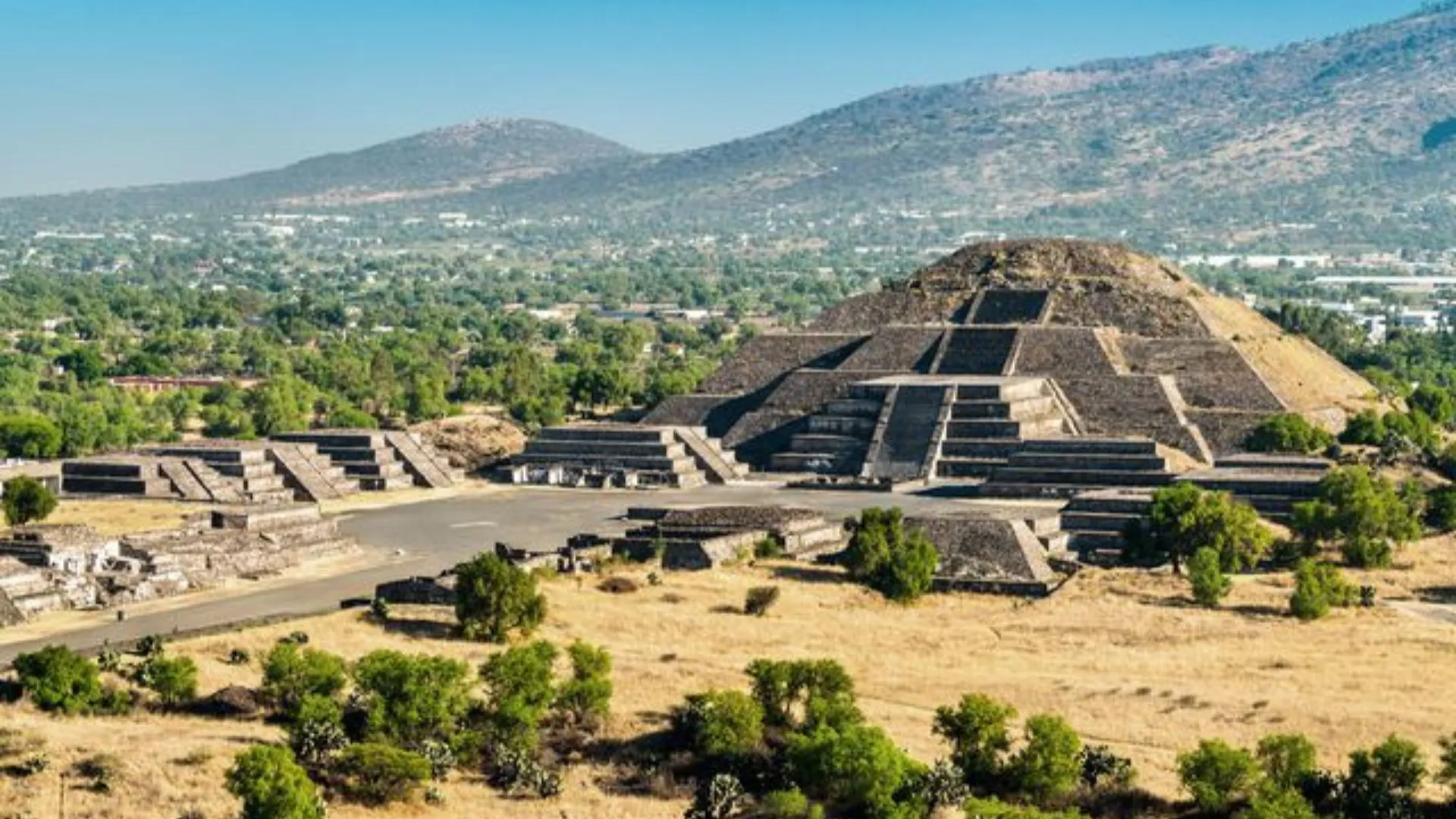
This massive ancient structure rises 65 meters above the valley floor and is the largest pyramid in the archaeological zone, situated just steps from where you can enjoy a Teotihuacan dinner in a cave.
Located at the northern end of the Avenue of the Dead, this pyramid offers views of the surrounding plaza and ceremonial platforms.
The main central path of Teotihuacán links the major ceremonial structures and showcases ancient residential compounds.
Also known as the Quetzalcoatl Temple, it features intricate stone carvings of serpent heads and agricultural deities.
A restored ancient residential complex showcasing carved pillars, obsidian inlays, and murals depicting mythological birds.
A colonial-style hotel featuring lush manicured gardens, an outdoor pool, and spa services right near the archaeological zone perimeter.
A comfortable hotel located in San Juan Teotihuacán featuring rustic Mexican decor, a pool, and local dining options.
A boutique hotel and spa offering traditional temazcal treatments and a peaceful garden setting in the town center.
Join thousands of happy travelers who have discovered this incredible experience
Book Your Experience Now